A Coal Town Digs Deep for Municipal Clean Heat — Episode 267 of Local Energy Rules
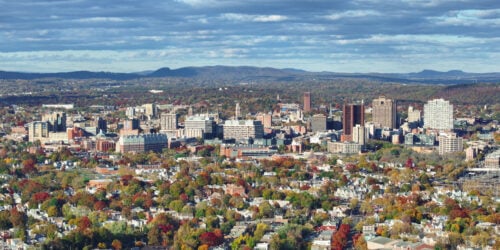
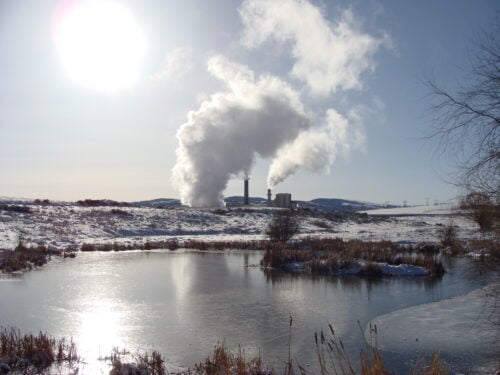
How did this coal town ditch gas lines, win grants, and make municipal networked geothermal the cheapest heating option?
Find out how quarterly distributed solar capacity growth compares to that of other power sectors.
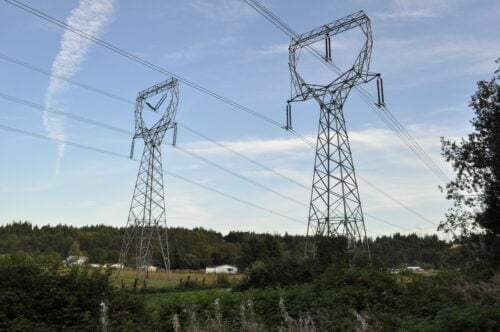
Who should pay for upgrades to the high voltage transmission network?
Explore the latest quarterly update on community solar capacity.
San Diego may be the only city to have secured upfront funding from utility shareholders to make clean energy cheaper.
Oregon tries to tie utility profits to climate, cost, and reliability targets through performance-based regulation.
Rural electric co-op members should use this new toolkit to swap coal debt for clean, affordable energy.
NOLA’s Community Lighthouse initiative creates local hubs with rooftop solar and portable batteries to save lives after storms.
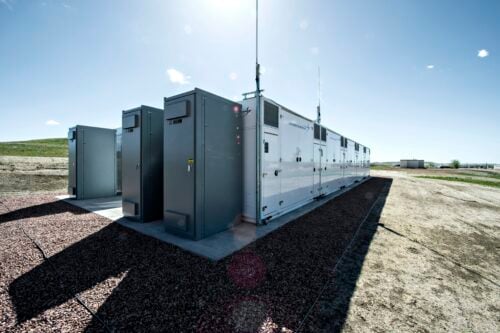
These plug-in devices bypass utility hassles to offer cheap, convenient power for everyone.
Learn how public power can tackle the affordability crisis.
Find out how quarterly distributed solar capacity growth compares to that of other power sectors.
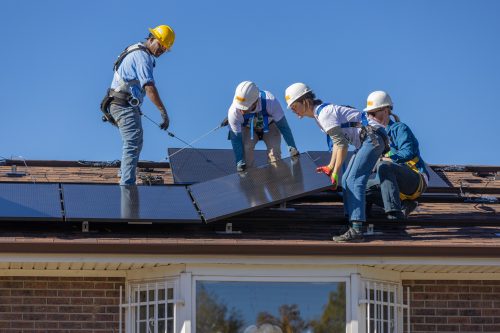
The solar tax credit landscape is changing. Third-party ownership could be one way to cut losses.
Learn about pending Minnesota legislation to enable distributed power plants and their potential impact on energy affordability.
What happens when you combine cooperative solar ownership with a clever standardized design meant to match the scale and capacity of local communities?
How can state legislatures pave the way for cities to advance clean energy and equitably address climate change?