The massive wave of hyperscale data center construction underway today is not a neutral response to public need. It is a speculative race among a handful of dominant tech firms seeking to control artificial intelligence (AI) and extend their already formidable monopoly power. Communities have the power to stop them. Some already have. Yours may be next.
The Policies Communities Need to Confront the AI Data Center Race
Communities are now being asked to absorb the costs of building a generative AI future that is poised to eliminate jobs, expand surveillance, and provide corporations with new tools to manipulate prices and wages. Meanwhile, the gains will accrue to a small group of billionaires.
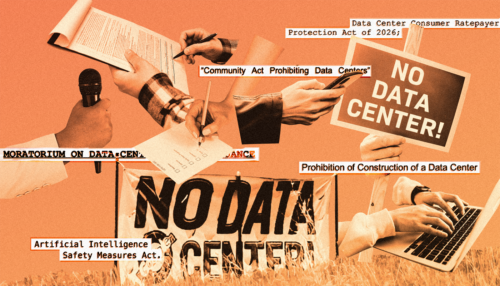
A public response requires more than project-by-project mitigation of local harms. Rather, it demands a policy framework for communities that reasserts public authority, safeguards community self-determination, prevents public cost-shifting, curbs monopoly power, and ensures that digital infrastructure is developed in ways that are transparent, accountable, and aligned with the public interest.
The Untold Stories and Hidden Heroes of the Data Center Resistance
As Big Tech races for AI dominance, attempting to steamroll local communities through secrecy and shell companies, our latest podcast series, “The Data Centers Are Coming,” explores how deeply data center fights are steeped in America’s legacy of monopoly corporations versus motivated local communities, and discover that one thing is certain: the corporate giants behind the data center boom better not underestimate the power of passionate and organized local resistance.
BLP's new season, "The Data Centers are Coming," uncovers how deeply the data center conflict is steeped in America’s legacy of monopolies versus motivated communities.
The Data Centers Are Coming: Ep. 1 – Planting a Flag
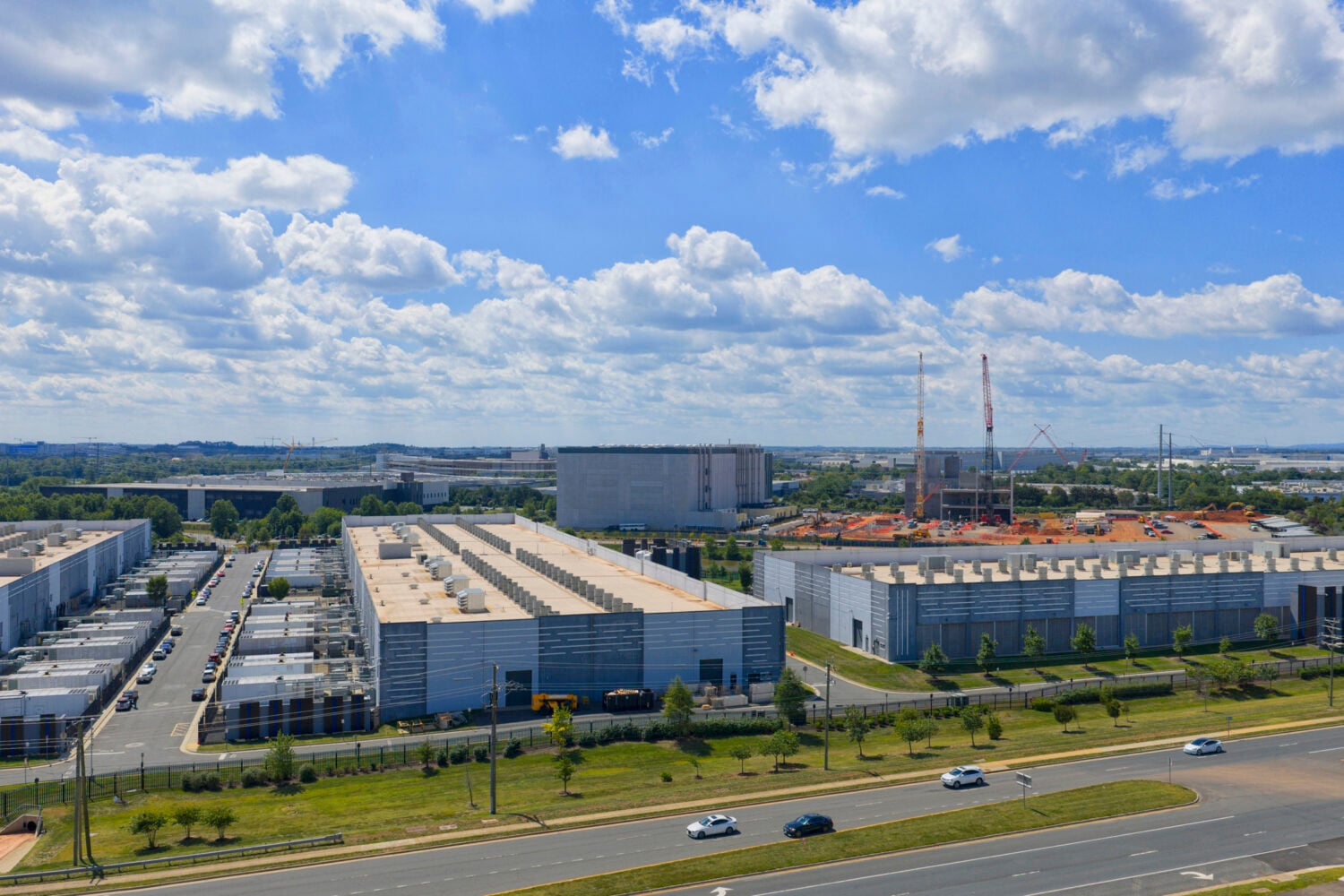
We start at the epicenter: a once-semi-rural Northern Virginia community transformed by Big Tech’s sprawling data centers, sparking a fight for land, autonomy, and transparency.
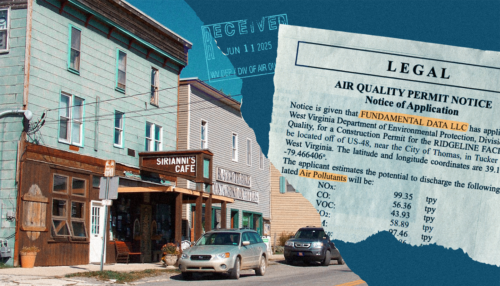
The Data Centers Are Coming: Ep. 3 – Contamination Without Representation
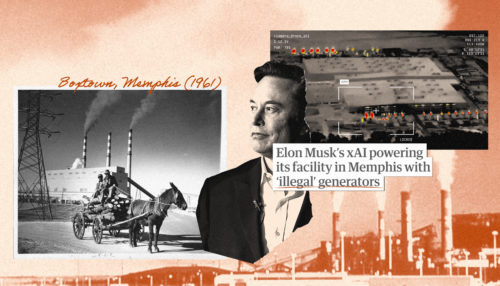
Elon Musk's Colossus 1 data center in Memphis reflects a historical pattern of corporations siting polluting facilities in poor or Black neighborhoods.