The Data Centers Are Coming: Ep. 1 – Planting a Flag
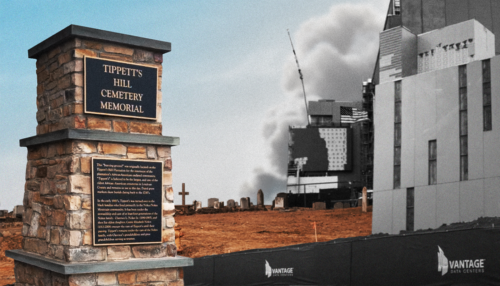
We start at the epicenter: a once-semi-rural Northern Virginia community transformed by Big Tech’s sprawling data centers, sparking a fight for land, autonomy, and transparency.
Danny gets an intriguing email from Joe Cuccio, a photographer on a years-long mission to document data centers and the physical infrastructure of the digital cloud. When Joe visits central Ohio on his travels, he takes Danny into the field to photograph the data centers of New Albany, a Columbus suburb. During the outing, Danny and Joe encounter more than just ugly, dystopic buildings. From the strange public/private billionaire history of New Albany to the fear tactics tech companies employ to hide the impacts of data centers, the photo shoot is far from routine. Despite the challenges, Joe and Danny discover that data centers can bring communities together, even as they try to keep people apart.
In this episode, we hear from:
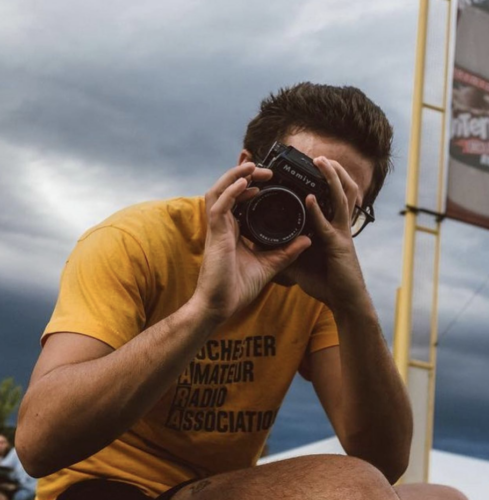
photographer Joe Cuccio“A film picture is no more important than a digital picture. But I think for this project, I’m talking about a material object, you know? My way of justifying it is […] they can’t take away from me unless they rip it from my meaty little hands.”
Narration: Nearly everything about a billion-dollar hyperscale data center seems designed to distance people from each other. These things are often planned and approved by shell companies operating under strict NDAs. The definition of a secret is something people don’t talk about. Once operating, they power a technology that promises to replace human labor and even socialization. AI chatbots aim to not only do our work for us, they aim to replace our conversations, too. But the thrilling irony of these attempts at isolation is that they’re backfiring in a massive way. The more big tech and their data centers try to isolate people, the more communities are coming together in opposition to these efforts. This story has become even clearer since we released the last episode of The Data Centers Are Coming. And it’s this story that we’re exploring in two bonus episodes. How are data centers and their efforts to isolate us actually bringing people together?
From the Institute for Local Self-Reliance, this is Building Local Power, The Data Centers Are Coming. I’m your host, Danny Caine.
This story of connection happened to me in a very personal way one day in summer 2026 when I got an interesting email . The email came from photographer and teacher Joe Cuccio, who told me he was in the midst of a years-long project photographing data centers and the physical infrastructure that powers the cloud. In traveling the country photographing these facilities, joe wrote that he hopes to dive deeper into talking directly with activists who are responding to their existence. In other words, he’s using data centers to bring people together.
I was thrilled to get this email. I love photography. It’s one of my favorite art forms. I see photography as a great companion to poetry, one of the art forms besides podcasting that I create in. In fact, in 2020, I published a book called El Dorado Freddie’s in collaboration with my friend, photographer Tara Wray. The book’s poems and photographs explore the built environment of the late capitalist Midwest through the lens of chain restaurants. So to hear that Joe was working on documenting another aspect of the late capitalist built environment through photographs, my interest was piqued to say the least. Even better, he told me he’d be coming through Columbus in August. We quickly made plans to go out on a data center photographing mission, and we set out on a very hot and sticky afternoon.
Joe Cuccio: it is humid. Is it always this humid in the summer or?
Danny Caine: Yeah.
Joe Cuccio: Okay.
Danny Caine: It can get pretty gross.
Narration: At a very personal level, data centers had brought me together with an interesting new collaborator. Sure, activists and local change-makers are coming together everywhere in opposition to data centers, but here I was in the passenger seat of an artist I didn’t know but soon came to admire. These facilities are about as unartistic as you can get.
They’re ugly, for one thing, but they also power technology that claims to be able to replace the poems I write and the photos that Joe takes, training itself to do so by stealing the poems and photos in question. But here we were, the poet and the photographer, brought together by these isolation machines. As we set out, Joe tells me a surprising fact about navigating his data center travels.
Joe Cuccio: I got on this Organix Maps because I, one of my close friends who I worked with at Magnum Photos is this French guy. Uh, he grew up in the Middle East, but I used to have all of my data center map. I’ll just give you a show. This is, like, all the data centers I’ve mapped, I’ve mainly been on the East Coast. I’ve been down to Texas. There’s, you know, a good deal, like 200 plus. Phoenix, Las Vegas, my partner’s family lives there, so I was out there for a bit.
Danny Caine: So all those dots are ones you’ve been to?
Joe Cuccio: Not quite. Oh, okay. This is, like, where I need to go. Just, okay. Um, but Columbus is where I’m at now, and I think there’s, like, over 100 here now, like, in Ohio and- or 134. I heard that from the Conserve Ohio people. Um, but then there’s, like, Southern Ohio. Anyway, this is, like, Organic Maps gets me off of Google Maps ’cause my friend was like…He said, “You’re on Google Maps, and you’re going to Google data centers. Even if you opt out of them tracking you…” Like, it, it, it was kind of a paranoia thing. So I’m like-
Narration: The idea of being monitored became a through line of our conversations and the trip itself.
Danny Caine: So you’ve had run-ins with security?
Joe Cuccio: Certainly, yeah. Yeah, like rent-a-cops. Uh, I had the most firm handshake from a security guard. Uh, where was I? Amazon. The first day I was in Ohio, first full day, this lady walked up to me and just, like, Midwest nice to me, you know, asking me questions as to what I was doing.
I was actually on a property that wasn’t technically the Amazon, uh, data center property. So I had walked on their sidewalk, which I guess they own. You know, that could’ve been a problem. But I was on a different industrial park right next to them, and she walked over to me and she’s like, “Technically, you’re not on our property, but we don’t allow for pictures to be made of our data center.”
And I said, “All right. I’ll get on my way. You know, I got what I need. Um, that worked for me. Thank you so much for being kind to me.” Most of the people are pretty nice, you know. Sometimes I’ll, I’ll, like, take a picture, uh, make a picture, whatever. Uh, that’s a whole different conversation. But, um, I’ll photograph and people will come up to me, security guards, and they’ll be like, “Do you know what you’re photographing?”
And I go, “No, I don’t. What is this?” “Could you explain this to me?” And so when I was in Vegas, this guy’s like, “This is a data center. It’s a highly secure Google data center. You know, you shouldn’t be making pictures of this.” And I was like, “Oh, you know what? I’m so sorry. I just love this tree that’s here.
Look at this tree. It’s so beautiful. Don’t you like this tree?” ‘Cause, you know, um… And I’ll just kinda divert the conversation away from me. I, I don’t trespass. I’ll go out and say, “I do not trespass,” but it’s, like, kinda trespass adjacent, right? As… Get as close as you possibly can.
Narration: After our trip, I found myself thinking about that security guard claiming that Joe couldn’t photograph that Google data center. I did some research to see if that was true. I started by looking up Google’s data center FAQs, which listed, “Can I take photos of the data center?” among its questions. Google’s answer dodged the question entirely, saying with artificial cheeriness, “We’ve done the work for you. Take a look inside Google’s data centers around the world and see the technology, people, and places that keep our products online.” The words take a look are a hyperlink to a gallery of impossibly sleek photographs of data centers inside and out, almost entirely devoid of humans until you scroll all the way down past hundreds of photos to a section called People.
It turns out that security guard was wrong. The First Amendment protects photographers as long as they’re in public places. Anything visible from a public place is fair game to be photographed, even if it’s private property, this is well-established constitutional law. Since we’d be on public property during our trip, we’d be in our rights to photograph data centers, even if security guards tried to spook us away. But being on public property meant, of course, we could be photographed too. This fact has sparked questions and debates with the rise of technology like meta glasses and license plate readers. We were reminded of this on the way to our destination of New Albany, Ohio.
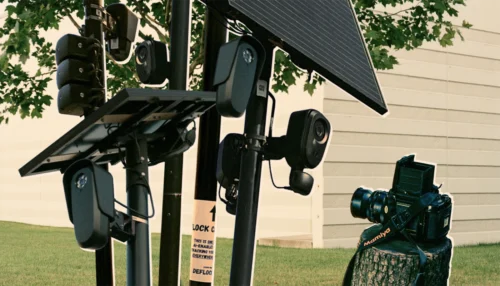
Danny Caine: oh, and here’s a flock camera too. Even better.
Joe Cuccio: Oh, fantastic
Danny Caine: Looks like it’s, like, taped in the middle. Someone tried to cut this thing down?
Joe Cuccio: Maybe. Well, they got my license plate twice, I guess. Yeah. Add me to the six billion.
Narration: New Albany is actually an interesting place to weigh concepts of private versus public land. New Albany was created basically single-handedly by Les Wexner, the retail tycoon behind brands like Victoria’s Secret, The Limited, and Abercrombie & Fitch. He’s also closely tied to Jeffrey Epstein, who grew massively wealthy managing Wexner’s finances so closely that he once had power of attorney over Wexner’s portfolio. This association has led to fierce debates over Wexner’s imprint on Columbus in general, including questions of whether Ohio State should keep his name on their Wexner Medical Center and Wexner Center for the Arts. But his influence on Columbus in general pales in comparison to his imprint on New Albany in particular.
In the 1980s, as Wexner was looking for a new home near Columbus, he began snatching up land outside the sleepy village of New Albany, population at the time around four hundred. He bought ninety acres for a huge mansion, land valued then for a hundred and ninety-two thousand three hundred dollars. That same land is now worth forty-five point six million.
He built his huge mansion, but he didn’t stop there. He formed a development firm called the New Albany Company and used it to acquire ten thousand acres, all of the land that New Albany now sits on. He carefully steered development decisions for the whole town, wielding a huge influence on what got built and how.
He still owns twenty percent of the land in New Albany and has held many influential positions in the town over the decades. For all intents and purposes, New Albany could be called Wexnerville. The current mayor is even on the record saying Wexner’s gentle fingerprints are everywhere. Can a town really be considered public if one wealthy and powerful individual has near total control over the whole place?
Joe Cuccio: You know the journalist Chris Hedges?
Danny Caine: Yeah.
Joe Cuccio: One of my favorite journalists ever. Um, he brought on this lady who did a story in Columbus about New Albany specifically, and they unpacked this sort of private-public cooperation. Like, the city is a private… Like, whether, whether people admit it or not, it is privately owned. Like, Wexler and his, and his sort of group run the government there. Like, they own the, you know? The cops will do what he says. He owns the land. It’s, it’s fascinating how that is the model of that city. I am a little nervous about New Albany because I listen to that Chris Hedges podcast, and like Hedges is like Marxist, you know, boss and brings on all these great like activists, and journalists, and writers, and thinkers. And this lady was like, she’s like, “New Albany is, is like crazy. They’re… Less owns the, the police and do-” You know, like all this terrifying. It almost like fear mongered me a little bit. Um, but also excited me. I don’t know. I- I love a picture of fire, so sometimes I just run towards the fire, you know?
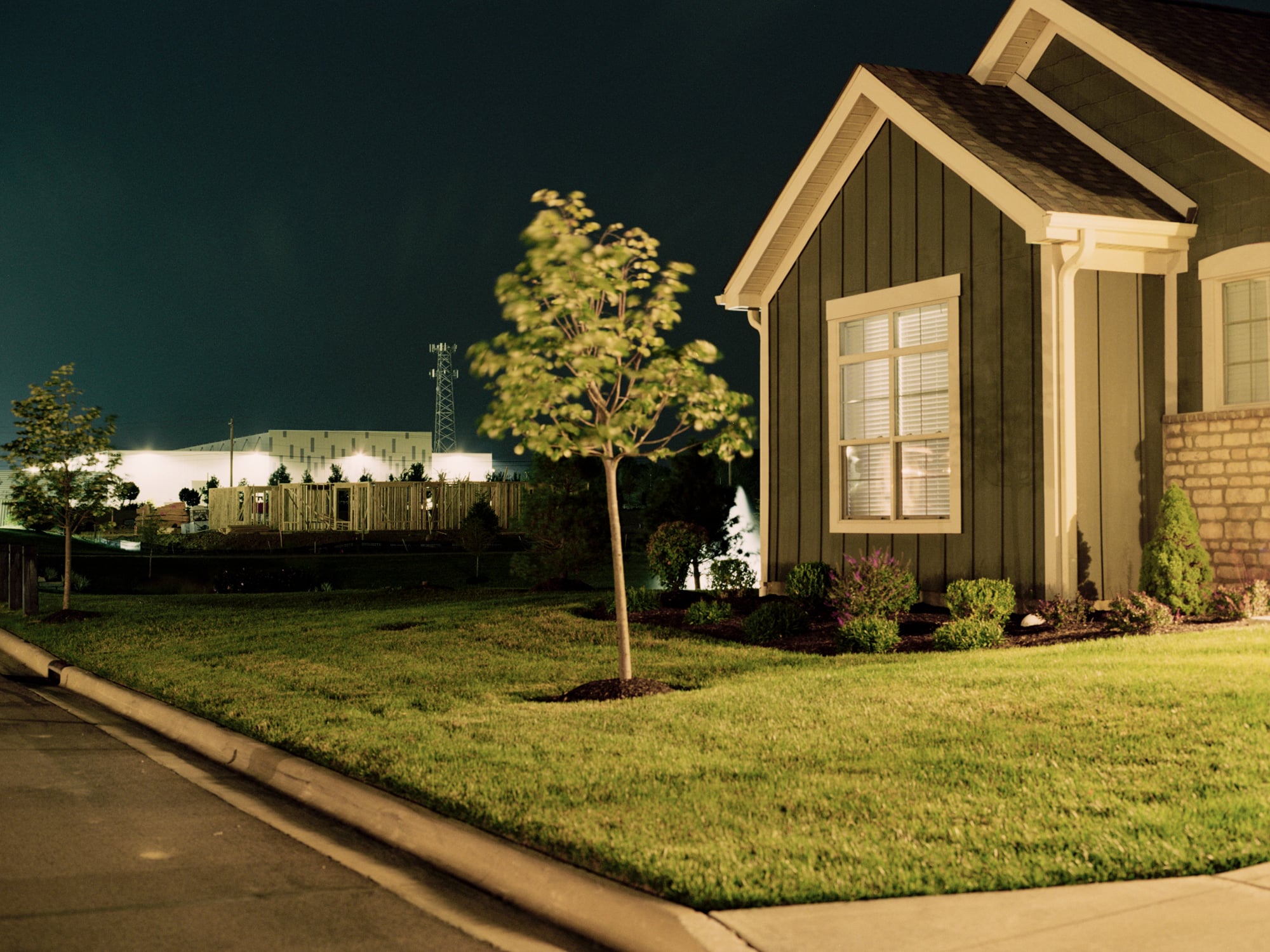
Narration: Central New Albany is all red brick, new buildings nonetheless designed to look charming and old. On my way here, I passed a building with the on-the-nose name of The New Albany Wealth Center. Every street is lined with whitewashed wooden fences. Drive five minutes outside the town center and you still see the fences, but instead of tasteful coffee shops, the fences surround data centers, many of them. It feels like a miniature version of Loudoun County mixed with one of those new school outdoor shopping malls.
Drive five more minutes, and you’ll run into an absolutely massive construction site, maybe the biggest I’ve ever seen, where swarms of cranes and dump trucks are building the Silicon Heartland, a twenty-eight billion dollar Intel plant complex set to open in twenty thirty-one. This is Les Wexner’s vision of economic development, apparently. A sanitized little downtown surrounded closely by the biggest, most expensive, resource-hungry digital infrastructure imaginable, all of it sprouting where rolling farmland once stood.
Danny Caine: do you think New Albany in particular with its political story, like- Do you think it’s like a path of least resistance for these developers?
Joe Cuccio: Surely, yes, 100%. I mean, you think about it, um, it is like a far- like, traditionally kind of like a farming land that they had this big, you know, right-leaning, heavy right-leaning guy come on in, say, “Hey, I’m from Ohio. Let me build this big house. Let me donate all this money to Ohio State University, put my name on the medical building.” Uh, apparently was doing good, right? But u- underneath it all was just like having NDA signed to oblivion, buying up the land, selling it off to, to you name it, Meta, Intel. The Silicon Heartland is in New Albany, and there’s a reason for it. It’s because the people that felt that they were politically aligned with this individual allowed for him to come on in. He’s a local Ohioan. Is that… I don’t know if that’s how you say it.
Danny Caine: Ohioan.
Joe Cuccio: Ohioan. Thank you . Um, you know, he’s one of us. Come on in, build your mansion, contribute to our local town. You’re part of, you’re part of our community. And in reality, he had the money to just buy them up from their farmland, you know?
Narration: As we discuss Wexner and New Albany, Joe quickly pulls off to the side of the road.
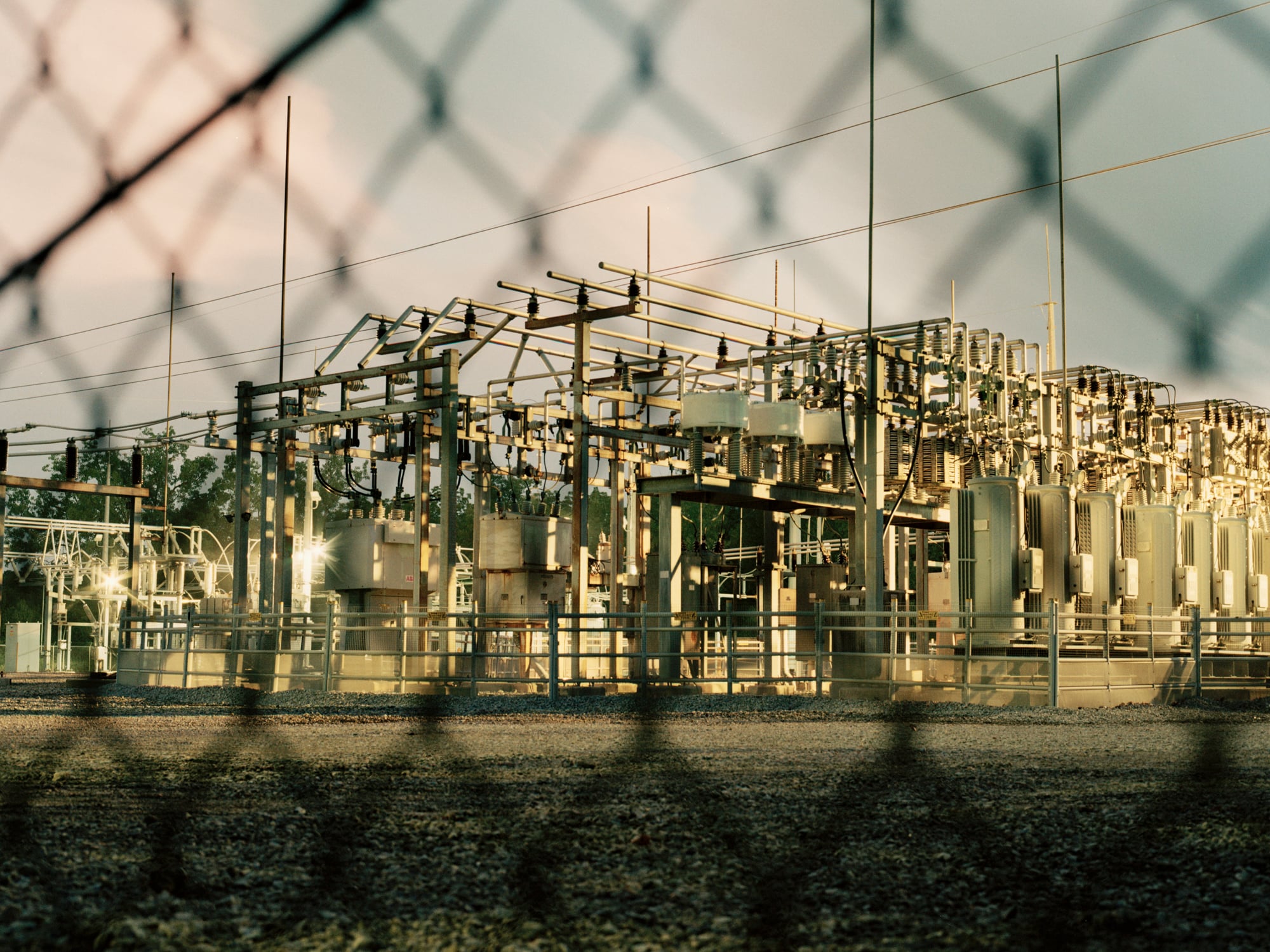
Joe Cuccio: All right. So we’re at a substation in I’m not sure where. I think it’s on the border of New Albany.
Danny Caine: And then what made you pull over rather quickly?
Joe Cuccio: So there’s, like, these transmission lines that are distinctly different from the transmission lines that lead to our house. They’re really, really, like, huge metal pillars. They almost look like, um, if you’re into, like, mythology, what I imagine, like, Zeus’s house might be constructed of in the front. Which is really cool- Yeah … ’cause, you know, he’s the god of lightning. But, uh, yeah, I just, I feel like it’s, uh, it’s definitely important to make a few pictures of this — Holy crap. This is immense. I don’t wanna get too close. There’s a million cameras, but also part of it. I’m sure Flock and- Oh, yeah … everyone in the world’s got me on video. They know you’re here. They know I’m here.
Narration: This feeling of being watched continues as we finally cross the border into New Albany.
Joe Cuccio: yep, here we are. There’s the sign. There’s a flock right on the- Wow. Right into it. That’s crazy. Oh my gosh. New, next intersection. Yeah.
Narration: The Flock cameras were clearly on our mind on this trip, as they are on many other people’s. Columbus, like other cities, is in the midst of a fierce debate about the city’s contract with the company. Dayton recently canceled its contract and covered all seventy-two of its cameras with black plastic bags. If you’re interested in a deeper dive into Flock cameras, I recommend checking out the recent Flock Off episode of ILSR’s broadband podcast, Unbuffered. We’ll link to that in the show notes. After we passed the Flock camera at New Albany’s border, a bunch of data centers quickly came into view.
Joe Cuccio: This is probably also a data center It looks like, yeah Yeah.
Danny Caine: Oh, yeah.
Joe Cuccio: Oh, geez. Okay,
Danny Caine: let’s see. Edged.
Joe Cuccio: Yeah, Edged.
Narration: The first of many signs that people are just not welcome near these data centers is the lack of a place to park. We end up parking at an elementary school about a half a mile away, whose parking lot is busy with parents and kids at a back to school night. As is the case all over New Albany, the signature white wooden fence runs alongside all these data centers
Danny Caine: you’ve got like, I mean, a literal white picket fence in front of this data center.
Joe Cuccio: It’s like farmland, and then, like, beautiful homes, and then, you know, white picket fence in front of a weird industrial thing. And there’s a soccer field, of course.
Danny Caine: Columbus, man. It’s, soccer’s pretty religious here.
Narration: Running next to the white wooden fences is a multi-use running biking path. Based on how few people were using it, it’s almost like the path was a decoration, a New Albany costume on a regular old data center park. The only people on the paved path are Joe and I, and as we approach the first data center, Joe starts to craft a cover story.
Joe Cuccio: If anyone asks, we’re looking at the available space. I did some real estate photography for a while-
Danny Caine: Yeah …
Joe Cuccio: to make some money, um, during COVID. And, uh, private tow-away zone. All right. We’re not unauthorized vehicles, that’s for sure But yeah, that’s, uh, um…I got a tripod. I’m a real estate photographer
Danny Caine: How often do you find yourself inventing a cover story as you head into a site?
Joe Cuccio: I, uh, I think I do it every time I walk into, like, weird situations, but I, uh, not often does, do I run into people.
Danny Caine: Uh-huh.
Joe Cuccio: Um, I just try and be as nice as possible. I don’t… My mom always said the cliche, like, “If you have nothing nice to say, don’t say anything at all.” And I kind of carry that with me when I’m out here, and I’m just like, “All right. Here’s a cover story that if shit hits the fan, I can use this,” and I’m making that in my mind as I go. And then it’s just saying please and thank you and all that good stuff. I think if it would happen anywhere, it would be New Albany or Loudoun County, Virginia.
Danny Caine: Mm-hmm.
Joe Cuccio: So that’s a reason you come out. And another reason why it’s good to come out in, like, dusk and dawn is ’cause You’re kinda getting the – graveyard crew a little bit and they’d rather not find themselves in like a semi altercation or anything. Like, not that I’m gonna, you know, tussle, tussle out in the middle of this parking lot with anyone.
Danny Caine: Yeah.
Joe Cuccio: But it’s like people are much more, much more quick to just kind of deescalate any sort of situation. They like when people are nice. They’re just working hard on some level.
Narration: Mentally prepped for any potential encounters with security, Joe gets to work with his camera.
Danny Caine: Can you tell us about what kind of camera you’re using and
Joe Cuccio: film? Yeah, sure. Uh, it’s a Mamiya 645. I believe it’s like medium format film, um, which is kind of between large format and 35 millimeter. So 35 millimeter is like equivalent to like a crop sensor camera. Medium format is like typically just beyond the constraints of like normal digital cameras.
Danny Caine: Mm-hmm.
Joe Cuccio: Um, there are medium format like digital cameras, like a couple companies make them. They’re super expensive. One of them’s not so expensive, but, um, yeah, this is like a Mamiya 645, takes 120 medium format film. I’m shooting color film and, uh, yeah.
Narration: I’m struck by the fact that Joe is using film, an analog tool that he uses to capture the digital world. I ask him if this anachronism is on purpose.
Joe Cuccio: a film picture is no more important than a digital picture. But I think for this project, , I’m talking about a material object, you know? My way of justifying it is like using a physical material that they can’t take away from me unless they rip it from my meaty little hands, you know?
Narration: I’ve been thinking about physical media a lot lately, and Joe’s use of film plays right into it. I saw someone online say that nobody can force an ad into a physical book, and that stuck with me. I collect vinyl records and physical books mostly because it’s my preferred way of encountering literature and music. But it’s a really good point that no billionaire can mess with my books or music without physically entering my home. A Kindle can be bricked based on a decision at Amazon, a movie can disappear because of a decision at Netflix, or U2 can put an album on my phone without my permission. But there’s nothing Jeff Bezos can do to my books and records short of knocking down my door and taking them out of my hands. I think the same is perhaps true of the gratifying physicality of a film camera.
Danny Caine: really satisfying click.
Joe Cuccio: I know. That’s another thing. With the film camera. Yeah. I can’t do the silent shutter. The- I’m not a street photographer, you know?
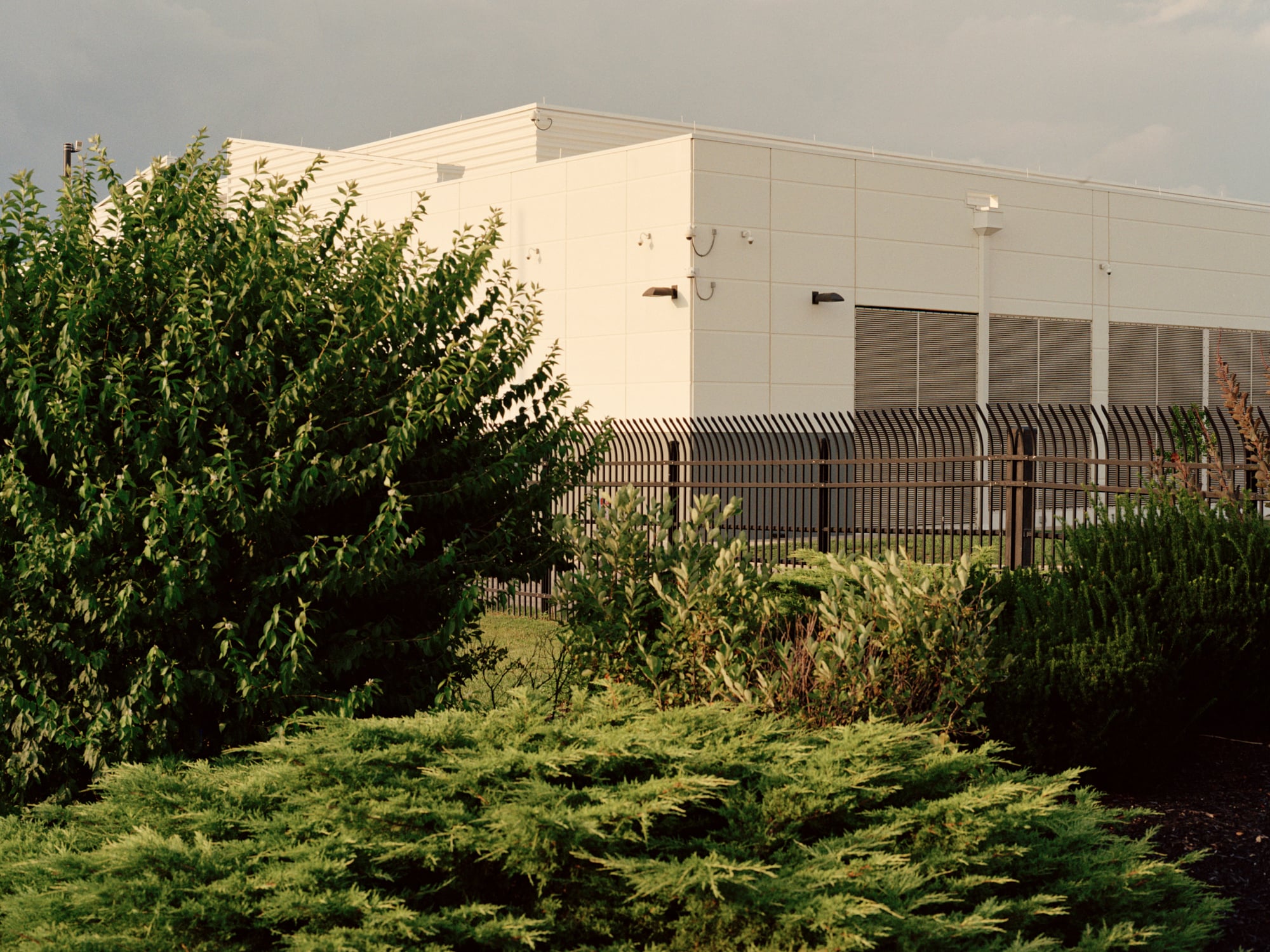
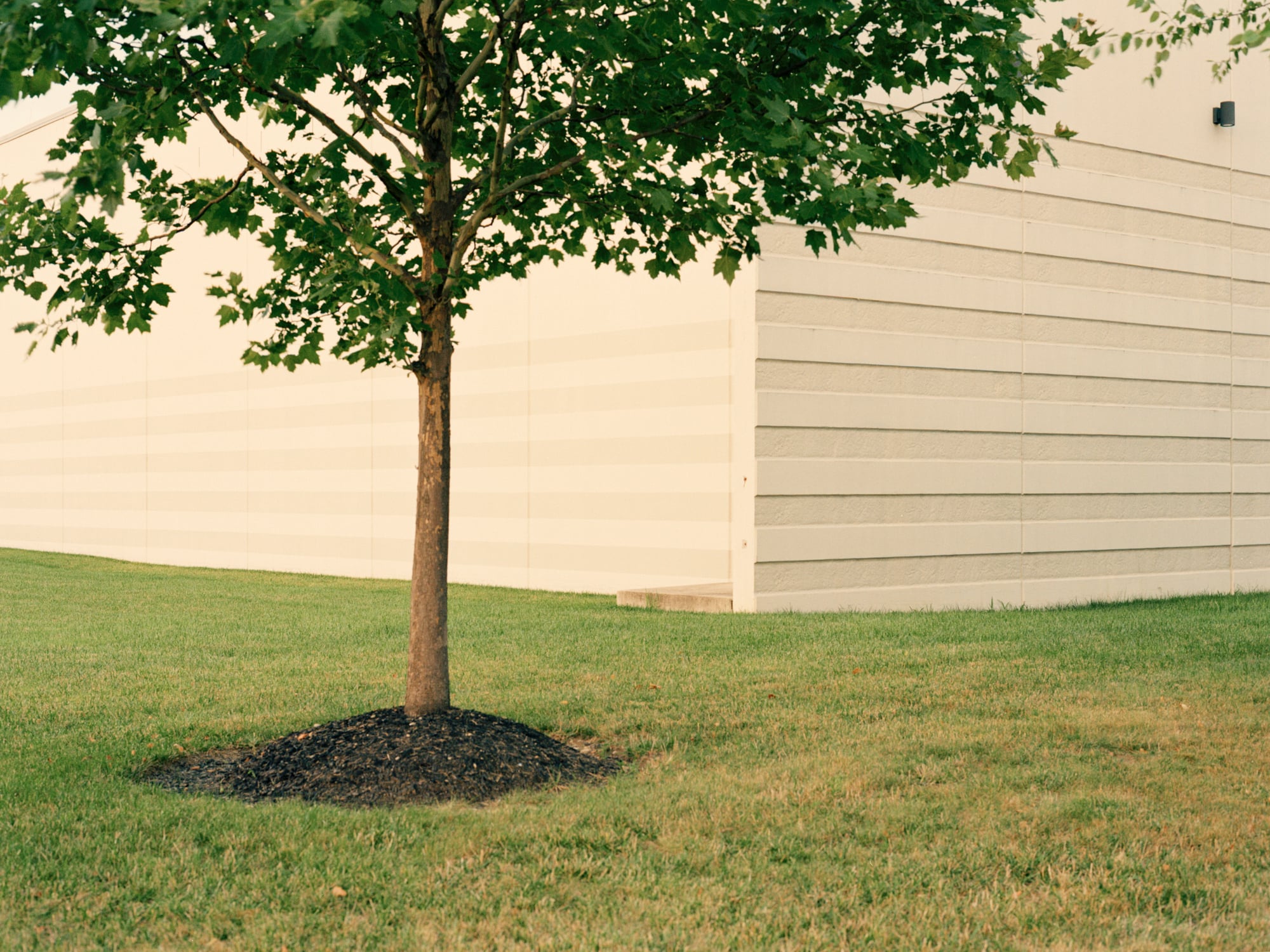
Danny Caine: We’re pretty close to this data center right now, and you’re shooting This expanse of white concrete wall through some trees.
Joe Cuccio: That’s right.
Danny Caine: Through some scrubby little trees.
Joe Cuccio: Yeah.
Danny Caine: What’s, uh, what attracted you about that, that particular shot?
Joe Cuccio: Yeah, I mean, I think it all comes back to, like, what is… I mean, maybe these trees aren’t indigenous to the land, but, like, what are natural elements that can potentially creep into this, like, overtly artificial thing- Sure … which is the data center. So I always try and, like, balance those two even if I’m just making a simple picture of a data center. Um, I’m usually trying to compose with that in mind.
Narration: As Joe works, I feel the uncanny sense that we’re not welcome here growing even stronger. It’s like an invisible force is pushing us away from the data center back to our car, back to the parts of New Albany where people are supposed to be. But I realize the feeling isn’t really invisible at all. As we look at the data centers, the data centers are looking at us.
Danny Caine: You’re taking a picture of the kind of the entrance gate through this, like, kind of trademark New Albany white picket fence. But, like, I can see a camera looking back at us. So there’s this funny kind of exchange of lenses, right?
Joe Cuccio: Yeah, there’s s- yeah.
Danny Caine: I mean, several cameras, really. I can actually see at least five or six from where we’re standing.
Joe Cuccio: Yeah, you got two there, two on, four on top. Oh, we got seven.
Danny Caine: Oh, yeah. No, I didn’t even see the ones on the top of the roof.
Joe Cuccio: Oh, my gosh, yeah. We got a lot here Yeah. I guess I didn’t really think of that, you know? I mean, I do know
Danny Caine: now I’m surveilled. I think whenever you’re… But, like, I guess whenever you’re taking a picture of a data center, uh, it is taking a picture of you as well.
Joe Cuccio: Yeah.
Narration: In researching this series, I heard a lot about how the physical presence of data centers works to divide people, to prevent communities from gathering. Greg Pirio’s neighborhood in Sterling, Virginia, is next to a data center so loud that people have stopped walking around in the streets. The Colossus data center in Memphis is spewing so much pollution that people are getting sick from being outside near it. Here in New Albany, in this perfectly groomed, ostensibly welcoming town with white fences and bike paths, I still feel repelled by how many security cameras are pointing at me. It’s honestly a little frightening. All I wanna do is walk around and take some pictures with my new friend, but the way these things are built makes me feel like I’m breaking rules, that I should just skedaddle.
Joe Cuccio: there’s this walkway in Loudoun County that I once took my partner on. We were going, uh, to visit my brother, and I was like, “Hey, let’s spend a night in Loudoun County in a cute boutique hotel.” This was about, like, two years ago now. And you know, we had a lovely night. It was a beautiful small town on…probably in maybe Prince William County. And I was like, “Before we, you know, keep going, could… would you mind, like, driving me while I make some pictures in Loudoun County?” And, uh, it was so stressful for both of us, but, like, definitely for her.
Danny Caine: Uh-huh.
Joe Cuccio: She was like, “Get back in the car. We’re gonna get-” Yeah – arrested.” It’s like 5:00 in the morning. Like, nobody’s awake. It’s just m- us, the security guards, and maybe, like, one data center technician. And, uh, after that, I was like, “All right. Let’s go on a walk. Let’s calm down.” We parked at a park. We walked on a path just like this. Turns out we were walking through, like, rows of data centers and substations and a golf course and, like… It was insane. It was… It’s, like, right in the heart of data center- Yeah … alley. There’s this, you know, sidewalk or it’s a running path. Like, people pulled out their bikes. They’re just riding by, headphones on, not paying attention to these, like, tech monoliths- Mm … that exist right, right on… like, not even in their periphery, in their sight of…like, their line of vision, you know? It was crazy.
Narration: Maybe I’m noticing these cameras because being immersed in this project for the better part of a year, I look at data centers more closely than most. Maybe the point is actually for them to melt into the background, hence the trees and the fence and the bike path. If that’s the case, photographing the data centers and therefore calling attention to their physicality is a radical way to realign people’s attention.
Danny Caine: Do you think… I think that’s a really interesting point. Do you think, like, uh, photographing data centers would force people to be less likely to ignore the banality of evil? Like, they probably want us to ignore these things.
Joe Cuccio: Yeah. I, I hope so. I really, really hope so. Oh.
Narration: At this point, we need to cross the street to get to some more data centers, but there’s no crosswalk.
Joe Cuccio: They probably don’t expect us to walk here.
Danny Caine: Yeah, there’s no signal.
Narration: We risk a mad dash across the street and Joe starts to set up another shot
Joe Cuccio: I almost kind of want this, like, this over here. I’m a little more interested in that. The only thing is, like, there’s that weird shipping container.
Danny Caine: Yeah.
Joe Cuccio: You know? I almost want it gone. Well, I want m- all of this gone, but-
Narration: Here, I notice a white pickup truck slowly crawling towards us.
Danny Caine: That’s the security guy. Yeah.
Joe Cuccio: That’s all right. We shou- we could get going. I’m sure he saw us on the Flock cameras and everything, so…Be asked to leave and we’ll just get going.
Narration: I hate confrontation with uniformed authority figures, and I’m already on edge from feeling so surveilled, so I’m panicking a bit right now. On top of all that, I don’t think the folks at ILSR would be thrilled if I got arrested on the clock. Joe seems a bit more unfazed.
Joe Cuccio: I was at Google yesterday, and I was in a cat and mouse game with the security guy. He just kept flashing his lights.
Danny Caine: Hmm.
Joe Cuccio: And I was at a playground at this church right outside of this, like, rural Google, and it was, like, the only public… well, semi-public property. And I parked there, and I made a picture of the playground. I made a couple pictures ’cause I thought it was interesting. Probably won’t come out. And this guy just kept flashing his lights- Hmm … and, like, creeping up closer, and then I got in my car, and he kinda followed me, and then he just let me go Feels like an intimidation factor or something…’ Cause I think most people just walk away, right?
Danny Caine: Yeah.
Joe Cuccio: They see the security, they’re like, “All right.” And I’m, I am, uh, like I’m terrified, ooh, of security and police and all that, but also I feel like if they ask me to leave, I’ll abide by their well wishes. But if they’re letting me rock, at least for a little bit Well, they’re letting me rock, you know?
Narration: The whole time Joe has been talking about this, I’ve been watching the white pickup slowly circling the nearby parking lots the driver starts to head back our way, and my heart rate increases.
Danny Caine: coming back.
Joe Cuccio: All right…I guess not. He’s going away. He’s probably got bigger fish to fry than some- Yeah … guy making a picture.
Narration: Joe’s task isn’t criminal by any means. These are facilities, often supported by public money or tax breaks, taking up physical space in real-life communities. Data centers have no right to go unseen or unobserved, despite what the tech companies building them may think. But everything about the landscape they’ve shaped, no crossing signals, insane amounts of surveillance cameras, roving security guards, are designed to keep us out and isolate us from these places, and isolate us from each other.
The whole thing has left me rather fried, and I think it makes Joe nervous even though he’s playing it cool. It’s certainly not the most relaxing evening I’ve ever had, and I wonder what keeps Joe returning to these stressful situations again and again. I ask him as much during a conversation about data center activists.
Danny Caine: so why do this then?
Joe Cuccio: To be an aid for them, I think.
Danny Caine: Yeah.
Joe Cuccio: And also get me, like, in conversation with, um, with, like, activists, people that are on the ground. You know, I was able to talk to the people at Conserve Ohio because I’m doing this work. Yeah. It v- it, like, validates my position. I’m not just, like, some schmuck who could be, um- who could be working for the other side. Like clearly I have a position and clearly I, I do wanna support them.
Narration: Despite the AI industry’s efforts to isolate us from each other, not to mention the city planners of New Albany’s efforts to do the same, Joe has found connections through this work. It’s a kind of resistance to buck the forced isolation and build community instead. Before we can say any more about this though, , the photography gods smile upon us.
Joe Cuccio: oh my God. The God rays. Oh. It’s like the cliche of photography. We were talking about, like, Trevor Paglen and the clouds. That’s the clouds. Oh, we’re gonna have to try and make a, a photograph of that with the background. I was talking about, you know how it’s like… I was talking about, um, the sort of like rich red sun-
Danny Caine: Mm-hmm …
Joe Cuccio: in like dusk and dawn that could be dystopic. It could be just like beautiful. It could be enticing. Like, that’s what I’m talking about. Yeah. Is that orange reddish hue that it’s like, oh, my gosh, is the sun burning us alive right now? Or am I like incredibly overwhelmed by this beauty? I couldn’t tell you.
Narration: It’s a funny thing to be talking about being overwhelmed by beauty when standing in front of a data center. Despite my effort to see these things through Joe’s eyes, I still find them incredibly ugly. But where I can be convinced to see some beauty is in the communities forming in opposition to these ugly facilities.
In the second bonus episode of The Data Centers Are Coming, I’ll travel to Tennessee, where I’ll be in community with folks doing just that, uniting in spite of and because of potential data center projects. Building Local Power: The Data Centers Are Coming is a project of the Institute for Local Self-Reliance.
This episode was produced by Reggie Rucker and Ilana Nevins, and it was written by me, Danny Caine. Many thanks to Joe Cuccio for driving me around to take some pictures. You can see Joe’s work on this episode’s page at ilsr.org, as well as under New Farmer’s Almanac at joecucciophotography.com. Cuccio is spelled C-U-C-C-I-O.
If you like what you heard, make sure to subscribe to Building Local Power wherever you get your podcasts. We also appreciate being in conversation with you, our listeners, so please leave us a review or comments wherever you’re listening. Your feedback helps inform our future work to keep delivering stories that matter to you, so let us have it.
We’ve got one more bonus episode of The Data Centers Are Coming and lots of good stuff planned for our next season, so make sure to stay tuned.
We start at the epicenter: a once-semi-rural Northern Virginia community transformed by Big Tech’s sprawling data centers, sparking a fight for land, autonomy, and transparency.
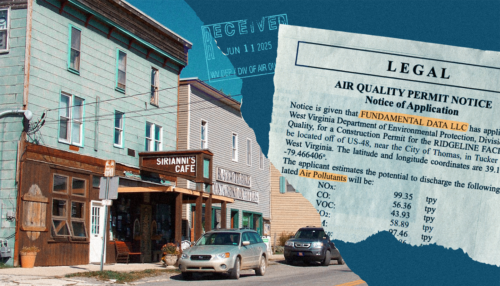
A proposed data center galvanizes resistance in a small West Virginia community, sparking a fight over state vs. local control.
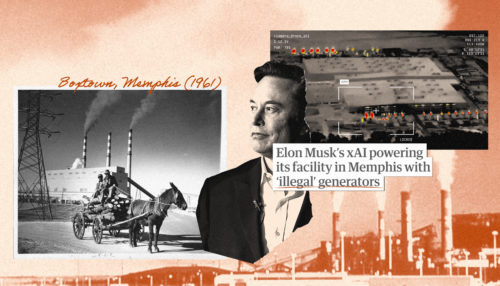
Elon Musk's Colossus 1 data center in Memphis reflects a historical pattern of corporations siting polluting facilities in poor or Black neighborhoods.
Are data centers making electric bills go up? We ask experts this and other questions about how utilities profit from Big Tech's AI boom.
A panel of experts explores the question of how to build data centers that serve their communities, rather than extract from them.
Do humans use technology, or does technology use humans? The answer frames how to think about data centers and the resistance to them.