How a Referee for the Grid Can Lower Utility Bills — Episode 276 of Local Energy Rules
Utilities profit by spending more. An independent distribution system operator could change that.
How New Haven financed a municipal geothermal network with a Green Bank loan and tax credits.
Boulder's voter-approved climate tax has funded local climate action since 2006. Its lessons are ones any city can use.
Solar is ready. Thanks to utilities, the rules to connect it to the grid aren't.
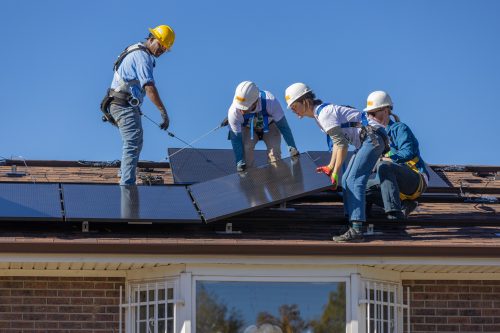
States can slash rooftop solar costs with instant permits and remote visits.
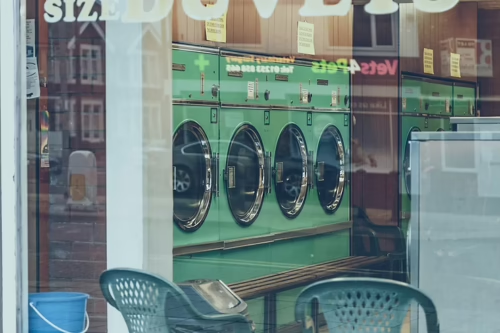
A solar-powered laundromat is changing daily life on the Pine Ridge reservation.
In some states, 30 cents of every dollar a customer pays to their electric utility goes to the utility’s shareholders’ profits. How widespread is this...
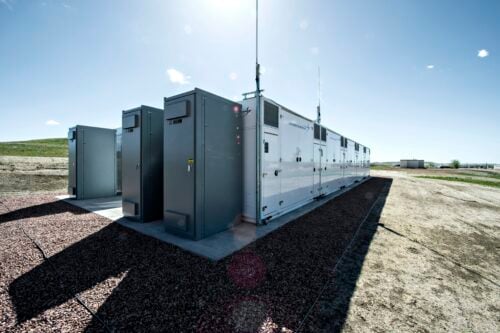
What can we expect from a new utility-owned distributed storage program that made headlines when it was announced over 18 months ago?
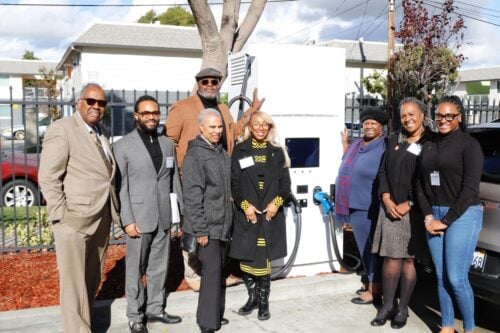
What makes faith communities such attractive hosts for resilience hubs?
How did this coal town ditch gas lines, win grants, and make municipal networked geothermal the cheapest heating option?
Who should pay for upgrades to the high voltage transmission network?
Oregon tries to tie utility profits to climate, cost, and reliability targets through performance-based regulation.
Rural electric co-op members should use this new toolkit to swap coal debt for clean, affordable energy.
NOLA’s Community Lighthouse initiative creates local hubs with rooftop solar and portable batteries to save lives after storms.
These plug-in devices bypass utility hassles to offer cheap, convenient power for everyone.