Welcome to ILSR's complete library of resources and publications. Use the filtering tools below to find just the content you're seeking, or subscribe to the RSS feed here.
The FWA Reality Check and the BEAD Final Numbers – Episode 25 of Unbuffered
Chris and Doug Dawson break down new Ookla FWA data, critique the FCC’s flawed mapping challenges, examine the final BEAD funding numbers, and tackle the...
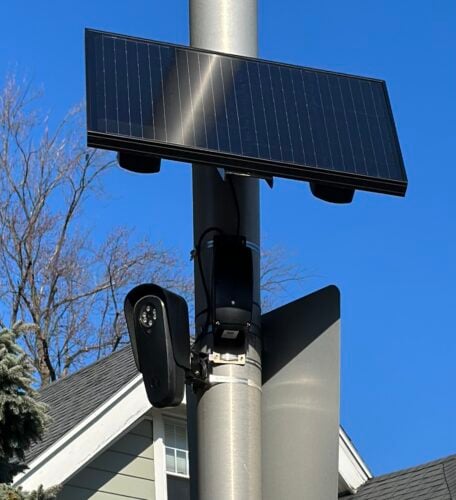
Are Flock safety cameras keeping communities safe, or just building a private dragnet for mass surveillance? Chris sits down with independent reporter Daniel Boguslaw to...
Fiber on the Right Track – Episode 22 of Unbuffered
Chris and Doug Dawson discuss a major court ruling that could make Fiber deployment across railroad rights-of-way easier, Starlink’s ambitions to become a mobile network...
Dialing Back Protections: The Battle for California’s Lifelines – Episode 18 of Unbuffered
What happens when telecom companies are allowed to walk away from providing basic, reliable phone service? Chris, Harold, and Arturo explore AT&T’s push to end...