Bad Bunny Takes On Power
Read stories from community leaders about clean energy resilience in Puerto Rico, in the aftermath of Bad Bunny's symbolic Super Bowl performance.
Climate leaders can revitalize the movement by rallying against excessive utility profits.
The Mamdani administration has a crucial opportunity to reverse New York City's affordability crisis; this ILSR policy memo suggests strategies to do so.
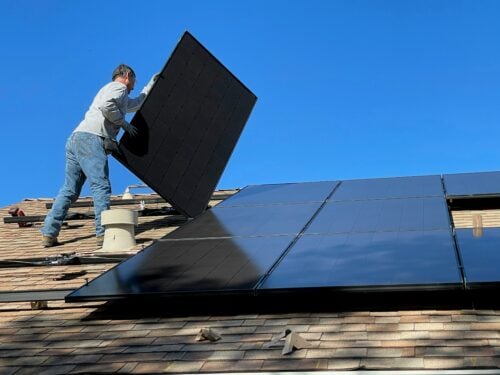
Small-scale solar is a fast and cost-effective way to transition the U.S. to clean energy — if utilities and policymakers get out of the way.
A message to friends and allies reflecting on David's visionary ideas, rigorous thinking, and lasting impact on movements for a just, sustainable, and democratic world.
In this webinar, climate activist Bill McKibben and a panel of energy experts discuss how powerful monopoly utilities block climate progress.
Energy Democracy Initiative Director John Farrell writes a farewell to Minnesota clean energy champion Rep. Melissa Hortman, who was assassinated in June 2025

A study found California's rooftop solar saved non-solar customers over $1 billion in 2024, rebutting the utility industry's "cost-shift" myth.
Interviews with solar installers show how inconsistent and resource-intensive local government permitting processes make it harder for Minnesotans to go solar.
Can we center equity in climate and clean energy policy if private utilities center shareholder equity?
ILSR's co-directors reflect on the election results and how our history as an organization informs the path forward.
Out of the legislative fight over the nuclear plant next door, Prairie Island Indian Community is building its own net zero energy future, on part...
In part two of our special series, Seven Hundred Yards, we find out why the nuclear waste “temporarily” stored on Prairie Island is still there...
ILSR’s blockbuster report exposes investor-owned utilities as an abusive monopoly harming our communities, climate, and democracy.
Energy democracy implies an energy system that is democratic, where decisions are made by the users of energy.