Welcome to ILSR's complete library of resources and publications. Use the filtering tools below to find just the content you're seeking, or subscribe to the RSS feed here.
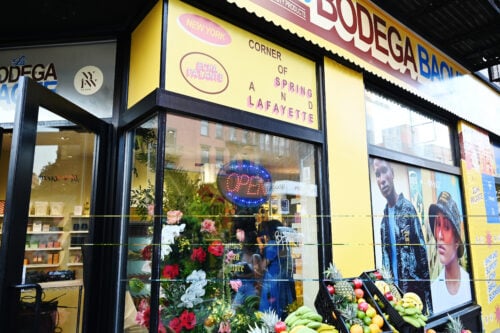
“[Fair Prices for Small Businesses Act] will help make life more affordable for Americans”
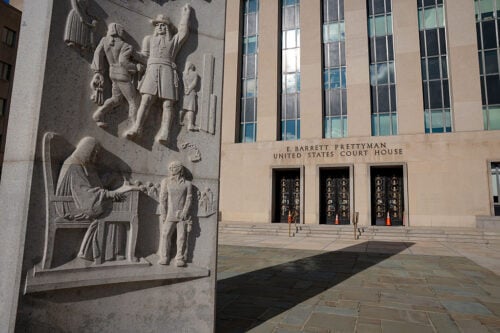
ILSR endorses the Fair Prices for Local Businesses Act introduced by Senators Murphy (D-Conn.), Welch (D-Vt.), Gallego (D-Ariz.), Fetterman (D-Pa.), and Blumenthal (D-Conn.).
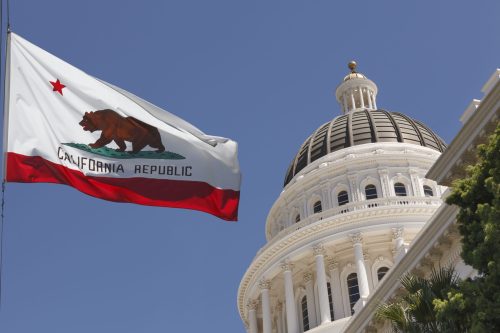
As federal priorities shifted in 2025, ILSR took it to the states to challenge corporate dominance while championing community-led solutions from the ground up.
ILSR’s John Farrell to Receive Melissa Hortman Lifetime Achievement Award
This prestigious recognition celebrates John's extraordinary contributions to solar energy adoption, particularly through rooftop and community solar programs.
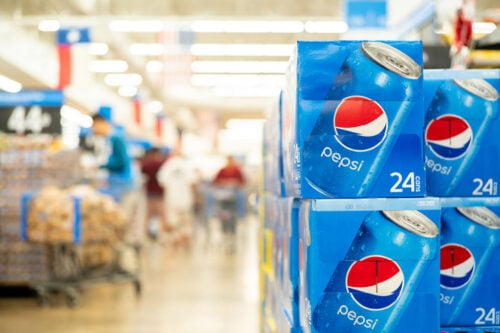
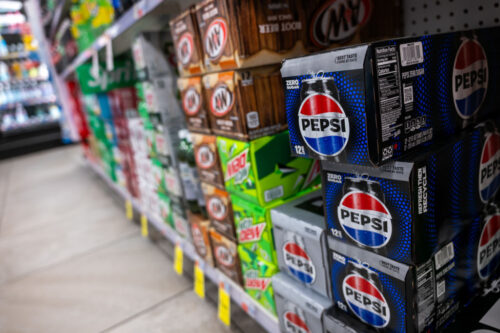
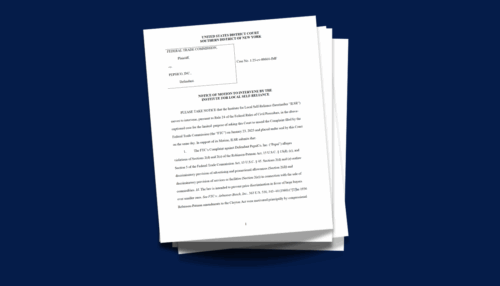
ILSR Files Motion to Unseal FTC Antitrust Complaint Against PepsiCo Alleging Illegal Price Discrimination Scheme
Motion seeks to reveal details of complaint alleging PepsiCo gave preferential pricing to big-box retailer while harming independent grocers and consumers.