Communities all over the country are struggling under skyrocketing electricity prices, escalating climate change-fueled disasters, and lack of accountability from monopoly utilities. As the federal government continues to cut funding support for clean energy, local governments and advocates are stepping up to maintain momentum on building out the reliable, resilient, affordable energy communities want and need.
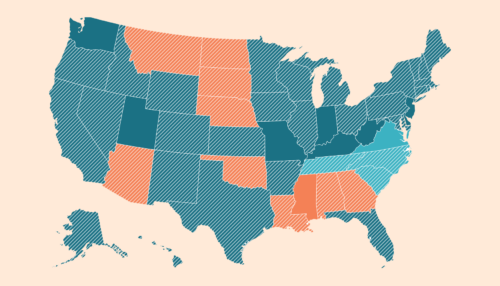
ILSR’s two-part Local Energy Policy Toolkit is designed to help lawmakers and community members use local government authority to build energy democracy and fight monopoly utility control. Interactive maps, podcast interview clips, resources, and examples tell the stories of communities all over the country who are winning crucial fights for better energy landscapes.
Part 1 of the toolkit centers on Building Community Power by setting equitable climate goals, raising funds for community-led clean energy projects, and more.
Part 2 focuses on Fighting Corporate Control by intervening in utility regulation to protect consumers, leveraging franchise contracts to negotiate better deals with utilities, and more.
Part 1 and 2 of the Local Energy Policy Toolkit are available in interactive online or printable PDF formats.
How to Use The Toolkit
Choose which toolkit part to start with based on your goal: Build Public Power or Fight Corporate Control.
You can scroll through each section of the toolkits in order, or use the section heading links to jump to your desired topic, such as “Build City Energy Projects” or “Engage in Utility Regulation.”
Click through example cities like Ann Arbor, Michigan and Louisville, Kentucky to read and hear their stories.
Then, continue on to the “Tools” section of each topic to choose from resources, guides, example ordinances, and more.
Looking for state-level energy policy resources? Check out our annual Community Power Scorecard, which grades all 50 states on energy and utility policies.