Voters have power to influence whether utility companies serve the interests of ratepayers or prioritize shareholder profits.
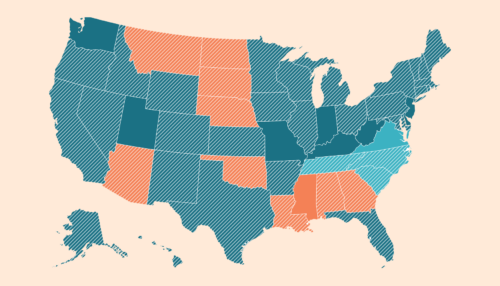
In 40 states and the District of Columbia, elections in November 2026 will shape the commissions that regulate utilities. In nine of these states, commissioners are directly elected by the voting public. In the remaining 31 states, voters will elect governors and/or legislators who will then appoint commissioners. In D.C., the mayor appoints commissioners.
Use the map below to see where and how you can use your vote to influence how utilities are regulated. Where commissioners are directly elected, get candidates to commit to pursuing policies that hold utility companies accountable and support affordable clean energy. While you’re at it, secure a pledge from candidates not to take luxury trips funded by the utilities they regulate!
Where regulators are appointed, ask candidates who would make those appointments to commit to selecting commissioners with a demonstrated history of protecting ratepayers and expanding local control over energy decisions.
How voters can shape utility regulation in 2026
40 states
plus D.C. have elections in 2026 that will help determine who regulates utility companies.
15 seats
on utility commissions across nine different states will be filled directly by voters in 2026.
29 governors
elected in 2026 will have the ability to appoint new utility regulators.
Connecticut Utility Regulator Under Fire for Doing Her Job — Episode 232 of Local Energy Rules
In this rebroadcast from Volts, Chairman Marissa Gillett of Connecticut’s Public Utilities Regulatory Authority talks about the challenges of reforming utility regulation given investor-owned utilities’...
How Utility Profits Drive the Energy Affordability Crisis
State regulators are setting utility profit rates too high, allowing utilities to overcharge customers by billions in order to overpay their investors.