Welcome to ILSR's complete library of resources and publications. Use the filtering tools below to find just the content you're seeking, or subscribe to the RSS feed here.
In The Sling: When Confronting Amazon’s Anticompetitive Conduct, the FTC Should Invoke Its Section 5 Authority
Ron Knox argues that the FTC must leverage its most potent weapon against Amazon's anticompetitive behavior: Section 5 of the Federal Trade Commission Act.
On the Capitol Forum Podcast: Food Deserts, Rising Prices, and Antitrust
On the Capitol Forum podcast, Stacy Mitchell explains that the real cost of groceries can be traced to Walmart's predatory tactics and failed antitrust enforcement.
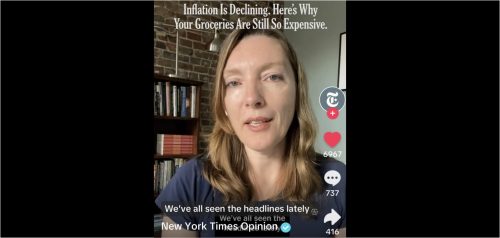
In the New York Times: The Real Reason Your Groceries Are Getting So Expensive
Stacy Mitchell explains how big retailers exploit their financial control over suppliers, threatening independent grocers and increasing prices. Enforcing the Robinson Patman Act could help.
Watch: Stacy Mitchell’s Keynote on Monopoly at the Maine Center for Economic Policy’s Annual Conference
In a conversation with MECEP's Arthur Phillips, Stacy Mitchell discusses how concentrated corporate power has impacted Maine and what state leaders can do about it.