The Environmental Inequity of AI
Not only does AI technology have severe climate impacts, it exacerbates environmental inequity. UC Riverside professor Dr. Shaolei Ren joins us to explain.
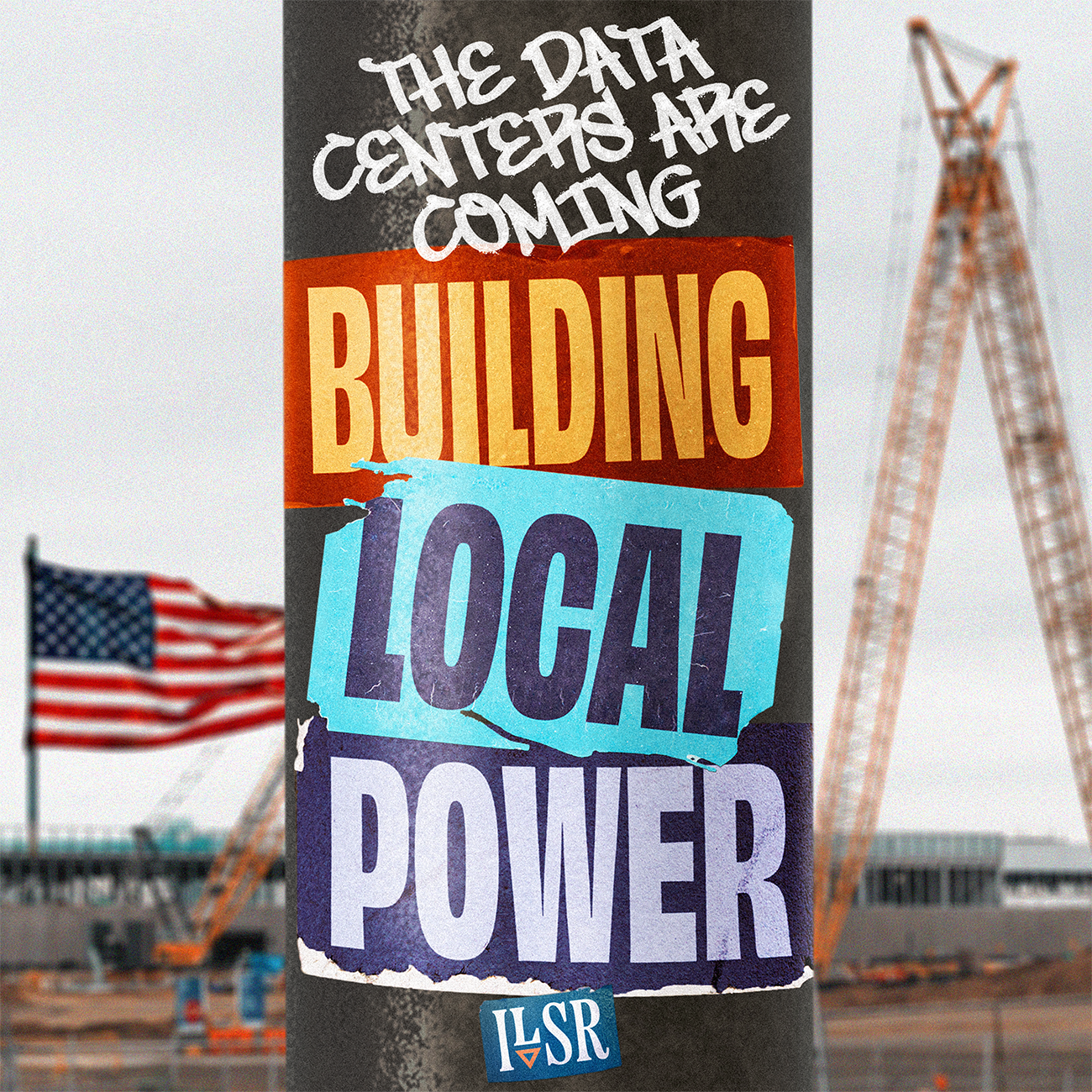
In this season of Building Local Power, “The Data Centers Are Coming,” we take a cross-country trip to hear from activists and agitated neighbors, experts on energy supply and the environment, and tech correspondents covering some of the hot spots for data center fights.
As Big Tech races for AI dominance, attempting to steamroll local communities through secrecy and shell companies, we explore how deeply data center fights are steeped in America’s legacy of monopoly corporations versus motivated local communities, and discover that one thing is certain: the corporate giants behind the data center boom better not underestimate the power of passionate and organized local resistance.
Listen to the Teaser
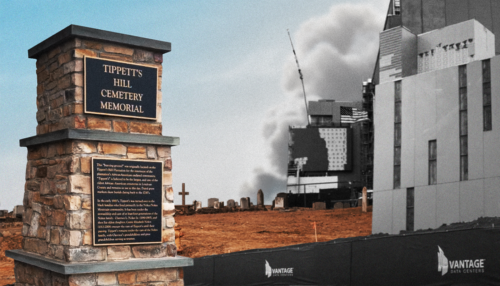
We start at the epicenter: Data Center Alley in Loudoun County, Va. This once semi-rural community has now been transformed by sprawling data centers, sparking a fight for land, autonomy, and transparency from local residents. What does it feel like living there now? We took a road trip to find out.
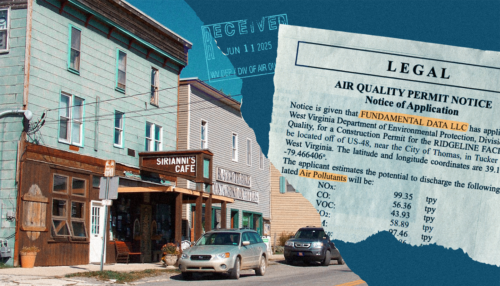
When a notice appeared in a local newspaper about a company applying for an air quality permit for a power plant, it set off alarm bells in the small West Virginia town of Davis. When residents realized that a major data center project was being pushed through without anyone in the community knowing about it, they took action. A coalition of artists, outdoor enthusiasts, and generations-deep mining families formed Tucker United, and we met with them to learn about the state of the fight: why Davis, what benefits will reach the local community, and how do residents make sure their voice is heard by local and state government, and that corporations are made accountable to them?
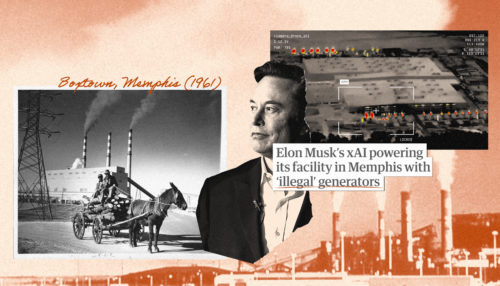
The legacy of environmental racism didn’t end when data centers started cropping up in whiter, richer communities like Loudoun County, Va. Instead, it continued, perhaps a bit quieter. We chronicle how data centers are just the latest demonstration of environmental harm targeting Black and low-income neighborhoods, drawing parallels between the activism to shut down incinerators where ILSR played a leading role beginning in the 1980s, and what is happening now in Memphis, where xAI is planning to build the largest data center ever.
Data centers don’t just consume land — they reshape energy infrastructure in ways that ratepayers may not fully understand until it shows up on their utility bill. In this episode, we unpack the grid implications of the data center boom and connect the dots between community-level fights and the utility system.
The policy and solutions episode. After four episodes documenting the problem from the ground up, Episode 5 turns to what a just, community-centered data center framework might look like and examines the proposals currently under debate. ILSR lends its cross-sector expertise to the discussion to help point us toward the most promising solutions and what concerned community members can do to ensure we get there.
The finale returns to the communities and voices from across the series to take stock of where the fights stand, what’s been won, and what comes next. The series closes with an invitation to listeners to find their place in the story and become a force for good within it.
Not only does AI technology have severe climate impacts, it exacerbates environmental inequity. UC Riverside professor Dr. Shaolei Ren joins us to explain.
Learn about how this Minnesota lawmaker wants to tackle her state’s energy problems.
Affordability and clean energy are driving a public power campaign to take over Tucson’s investor-owned utility.
Blair Levin returns to reflect on the decisions that built today’s Internet—and why we may not be ready for what comes next with AI