Promoting locally rooted, democratically accountable broadband networks that provide fast, affordable, and reliable Internet access to all Americans.
Creative Commons CC0 1.0 Universal Public Domain Dedication
Podcast Spotlight: Flock Off! - Episode 23 of Unbuffered
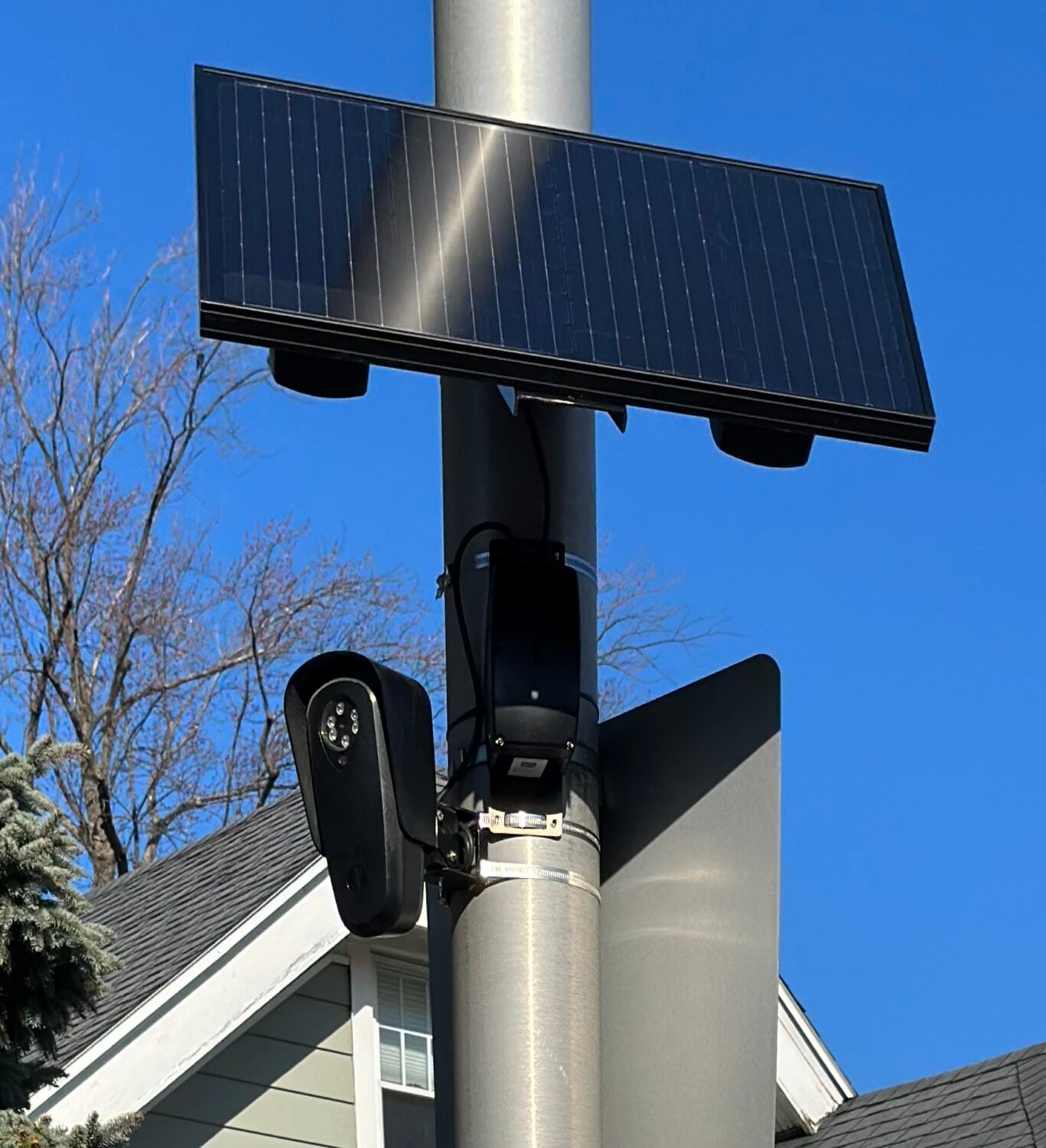
Are Flock safety cameras keeping communities safe, or just building a private dragnet for mass surveillance?
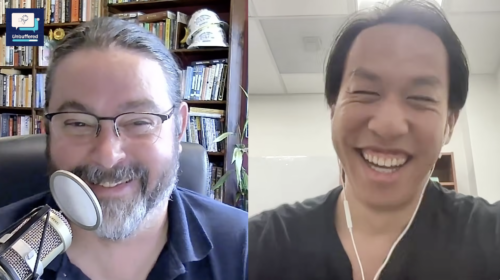
In this episode of Unbuffered, Chris sits down with independent reporter Daniel Boguslaw to explore Flock Safety—a network of automated license plate readers and surveillance cameras—and how it has sparked a nationwide debate over corporate surveillance, national databases, and civil liberties.
IN OUR VIEW: Misleading Study Paints Inaccurate Picture Of New York Broadband Grant Programs
A recent study suggesting New York State officials are trying to hide that the state’s ambitious grant programs are facing significantly higher costs and lower...
What Is A Community Broadband Network?
A community broadband network, we define, as a publicly-owned, locally-controlled broadband network, which can include public-private partnerships. The most common kinds of community networks are municipal networks and cooperatives.
There are more than 1000 localities across the nation served by a community broadband network with many more in the planning or construction phase.
Having tracked and documented broadband developments for nearly 20 years, we have amassed the nation’s largest storehouse of information on community-driven efforts to solve local connectivity challenges.
We invite you to explore our trove of information on the birth and development of community broadband and portal into CommunityNetworks.org where we offer free access to over 4,000 stories, nearly 600 podcasts, dozens of reports, policy briefs, case studies, instructional videos, and other resources.
In The Verge: Elon Musk and the plot to hijack America’s broadband
The Verge published an in-depth piece authored by our own Sean Gonsalves and ILSR contributor Karl Bode that examines how BEAD became a billionaire boondoggle.
A California Democrat Is Trying to Gut the State’s Broadband Watchdog
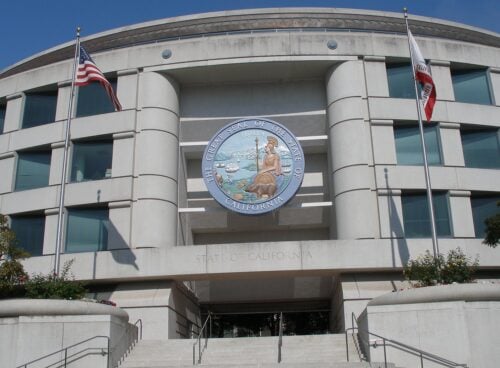
In The American Prospect, Sean Gonsalves reports on a recently filed bill in California that aims to strip telecommunications oversight authority away from the CPUC.
In The Forge: ILSR Superteam Talks Local Power and Fighting Corporate Control
Three ILSR staffers talked to Liberation in a Generation and The Forge about the many dimensions of fighting corporate power — and building local power.
In ProMarket: Sean Gonsalves on The Wave of Telecom Mergers
ILSR's Sean Gonsalves has a new piece in ProMarket on the continuing consolidation of telecommunication markets and why municipal broadband is a better option.
How We (Net) Work
In addition to the research and resources we provide, we also produce educational programs, collaborate with digital inclusion coalitions, and offer hands-on training and technical assistance to Tribes, nonprofits, and governmental entities working to solve local connectivity challenges.
Unbuffered is a new weekly audio and video podcast hosted by Community Broadband Networks Initiative Director Christopher Mitchell featuring interviews, invited expert guests, and live panel shows that zero in on the intersection of local self-reliance and digital technology.
Co-founded by Community Broadband Networks Initiative Director Christopher Mitchell, the Tribal Broadband Bootcamps are a three-day intensive learning experience focused on building and running Tribal Internet networks. They are held several times a year in different Tribal regions.
The Community Broadband Networks team is often called on to speak, moderate, or serve as panelists at broadband conferences and events across the nation. We also avail ourselves to reporters, editors, producers, and podcast hosts. Inquiries can be sent to our Communications Director Sean Gonsalves at [email protected]
Whether its the AARP, the California Alliance for Digital Equity (CADE), Methodist Healthcare Ministries (MHM), or the Southern Rural Black Women's Initiative (SRBWI), we collaborate and offer technical assistance to a variety of organizations and groups working on closing the digital divide. For more info email Outreach Director DeAnne Cuellar at [email protected]
Community Broadband Networks Team
Community Broadband Networks Initiative
Get weekly updates on the latest community broadband news and research