17 Case Studies Model Local Government Programs and Partnerships with Community Composters
Local governments have a powerful role to play in the success of local composting. The many co-benefits that local composting offers — jobs, resilient soils, enhanced food security, and community engagement, to name a few contribute to stronger and healthier local communities, both immediately and in the long run.
Partnerships between local governments and community composters have the power to transform a city’s capacity to embrace more sustainable alternatives of waste management – and are already gaining momentum all across the United States. 15 of the 17 case studies case studies in particular boldly showcase what these collaborations can look like and the impact they have on their local communities.
These case studies were most recently featured in the 2026 report Keep Compost Local which also includes sections on the economic case for local composting, how to keep compost local, 12 steps for local governments to get started, and policy recommendations.
For the following case studies, the authors augmented literature research with a series of interviews to capture local government composting programs and partnerships across the U.S. Fifteen of the case studies feature public-private partnerships (PPPs) between local governments and community composters. Case studies represent a wide range of programs, with diversity in geographic location, composting system type, partnership model, partner organizations, government entities, and more. Community composters and local governments had distinct sets of interview questions; the interviews averaged about 45 minutes each. The interviewees reviewed the case studies.
Dive into the stories behind these model collaborations:
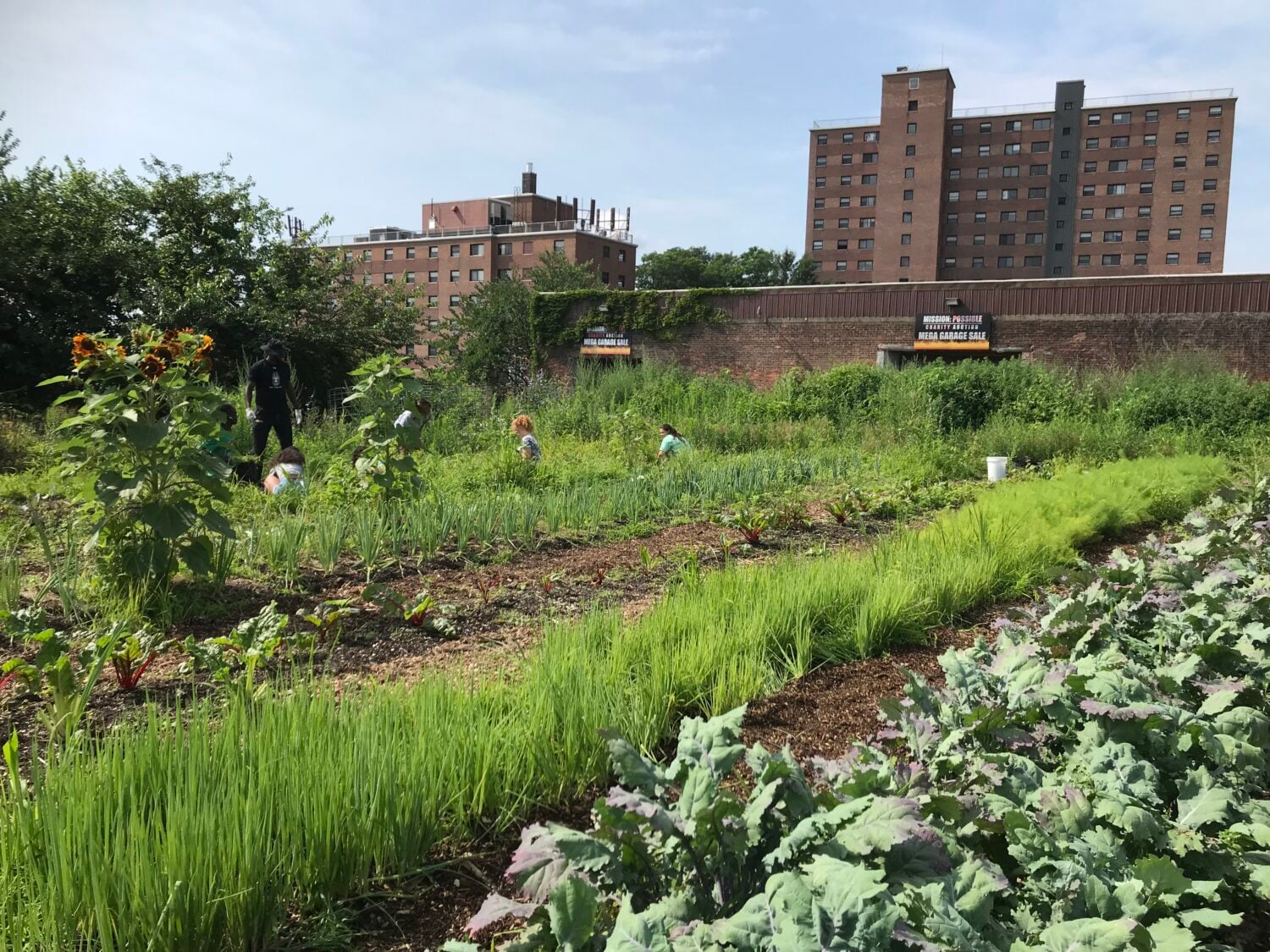
Summer youth workers at Radix’s urban farm. Credit: Institute for Local Self-Reliance
Relying on Existing Food Scrap Recyclers (Albany, New York)
The four-way collaboration between the City of Albany and three local composters – The Radix Ecological Sustainability Center, Friends of the Tivoli Lake Preserve and Farm, Inc., and FoodScraps360 – helped kick off a robust food scraps diversion program across the city. In addition to servicing City of Albany events, their partnerships support a food scraps collection and processing site, compost education, and curbside collection offerings.
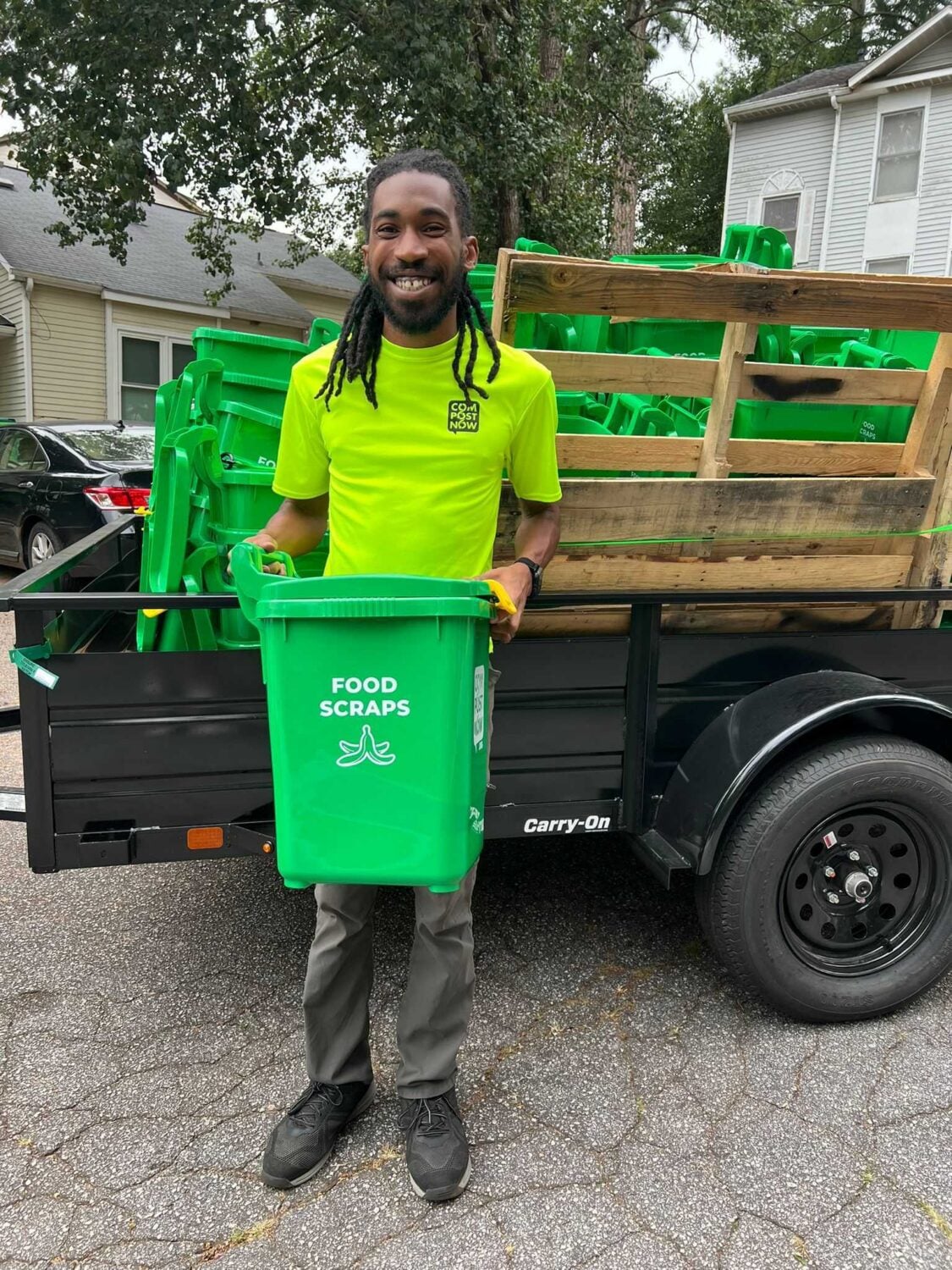
CompostNow team member delivers food scraps bins. Credit: CompostNow
Local Commissioner Drives Pilot Program with Multiple Partners (Avondale Estates, Georgia)
In this small suburb in DeKalb County, a partnership between a District Commissioner, local composter CompostNow, and two local organizations is fueling the City’s municipal curbside pilot for households. Together, they’re navigating how to most effectively reach residents and sustain participation in the program beyond the initial 12-month trial.
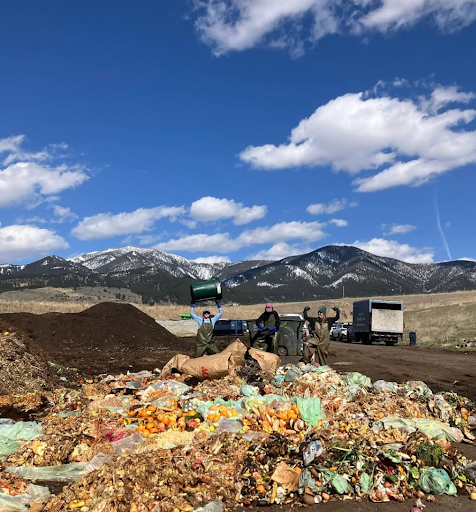
Pile of incoming food scraps and feedstocks. Credit: Happy Trash Can
Bartering Services and Finished Compost for Land Access (Bozeman, Montana)
Happy Trash Can Curbside Composting LLC (HTC) began offering food scraps collection services to households and commercial businesses back in 2016, but it wasn’t until 2021 that their relationship with the City of Bozeman truly started. Beginning as a barter relationship, this case study exemplifies how a basic services agreement can blossom into a successful and mutually beneficial PPP.
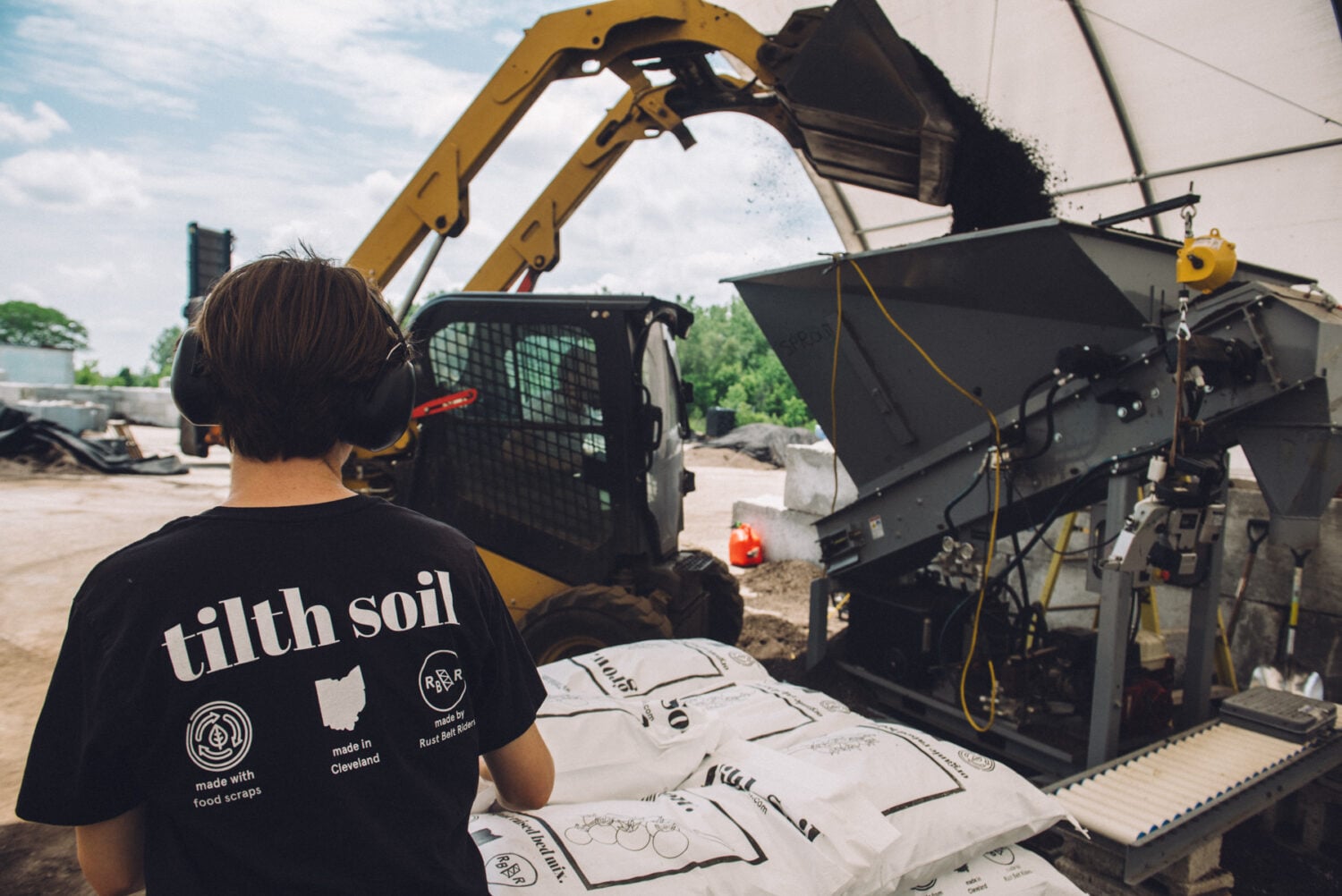
Rust Belt Riders team member overseeing production of tilth soil. Credit: Steven Springer, Rust Belt Riders
Partnerships Open Door to Land Access for Composting (Cleveland, Ohio)
For over 10 years, Rust Belt Riders has maintained a consistent presence, managing curbside and drop-off food scraps collection for businesses, residents, schools, and other locations in and around Cleveland. Now, their PPP with the City is enabling them not only to expand their composting efforts, but to build their own larger-sized composting facility on an unused portion of City property.
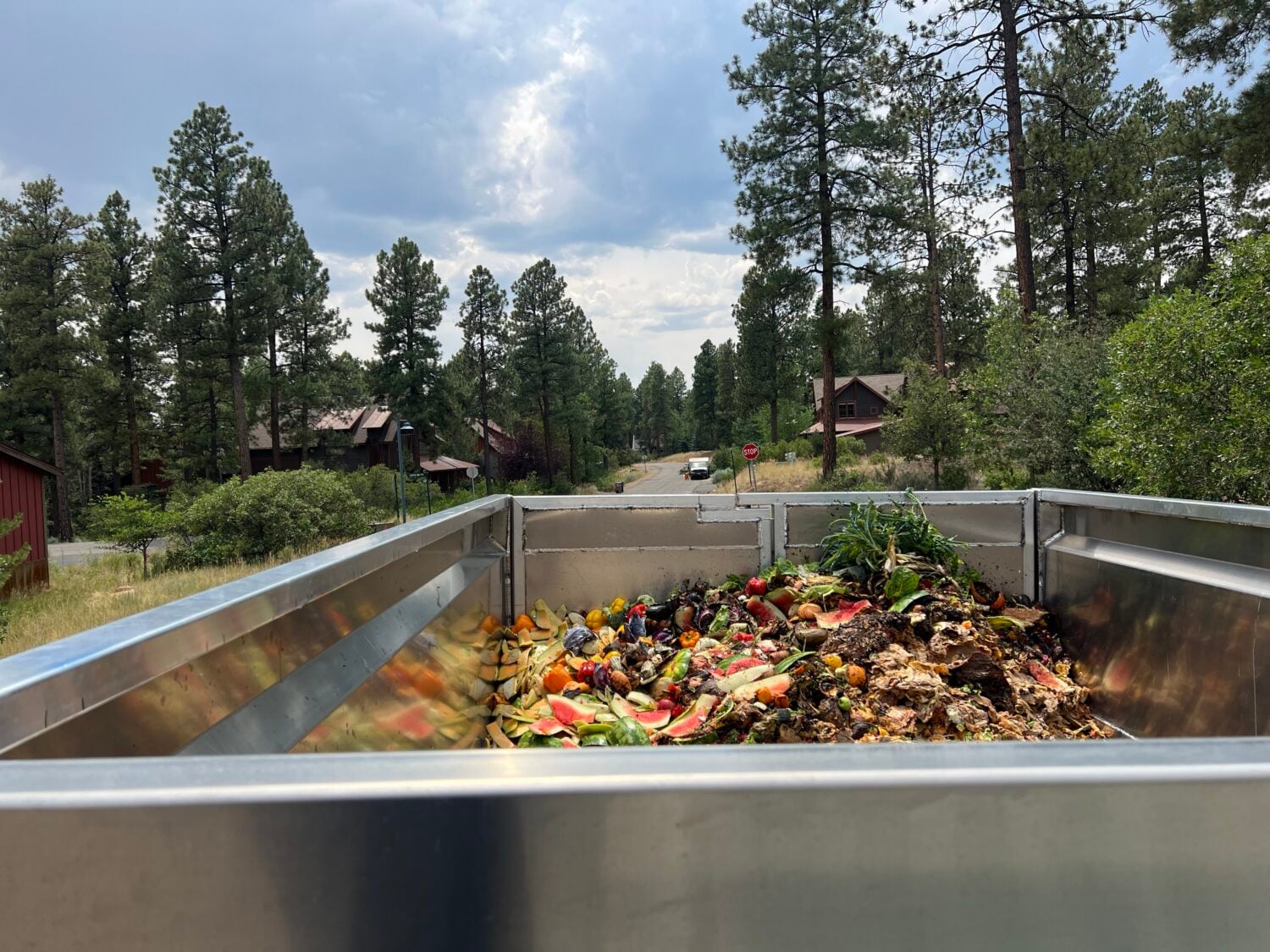
When the City of Durango wanted to give households access to food scraps composting, they turned to local composter Table to Farm Compost to make it a reality. Through their 5-year contract, Durango residents and businesses can take advantage of a subscription-based curbside food scraps collection program. Marty Pool, Durango’s Sustainability Manager, remarks how their collaboration “illustrates how a for-profit business can provide city services — especially ones with social and environmental benefits.”
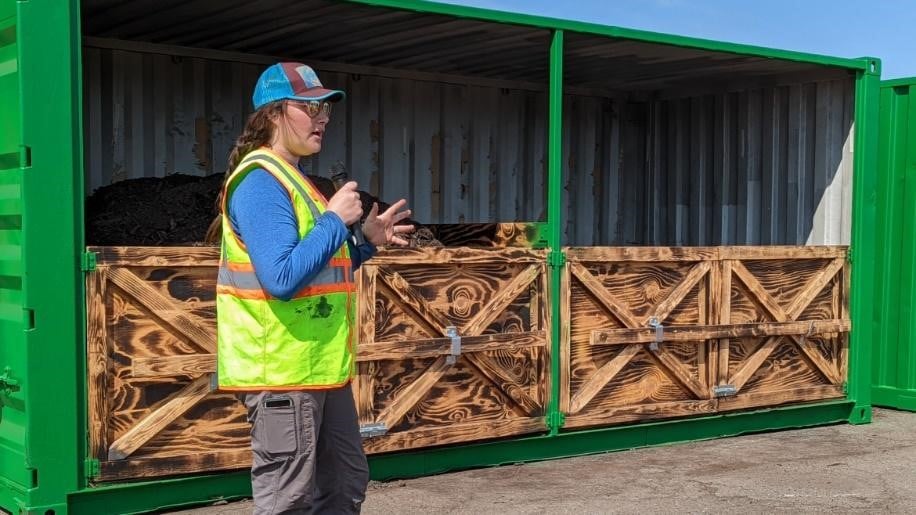
Team member speaking in front of compost outpost. Credit: City of Greenbelt
Citizen Green Team Drives Local Composting (Greenbelt, Maryland)
The City of Greenbelt has worked closely over the years with the City’s Green Team, a citizen group that engages the community in sustainability projects and educates residents on the ins-and-outs of “green living.” It was this very initiative that helped lay the groundwork for a PPP between the City of Greenbelt and Compost Crew, a locally owned food scraps collection and recycling company, to set up a food scraps drop-off site, pilot curbside collection, conduct outreach and education, and compost locally.
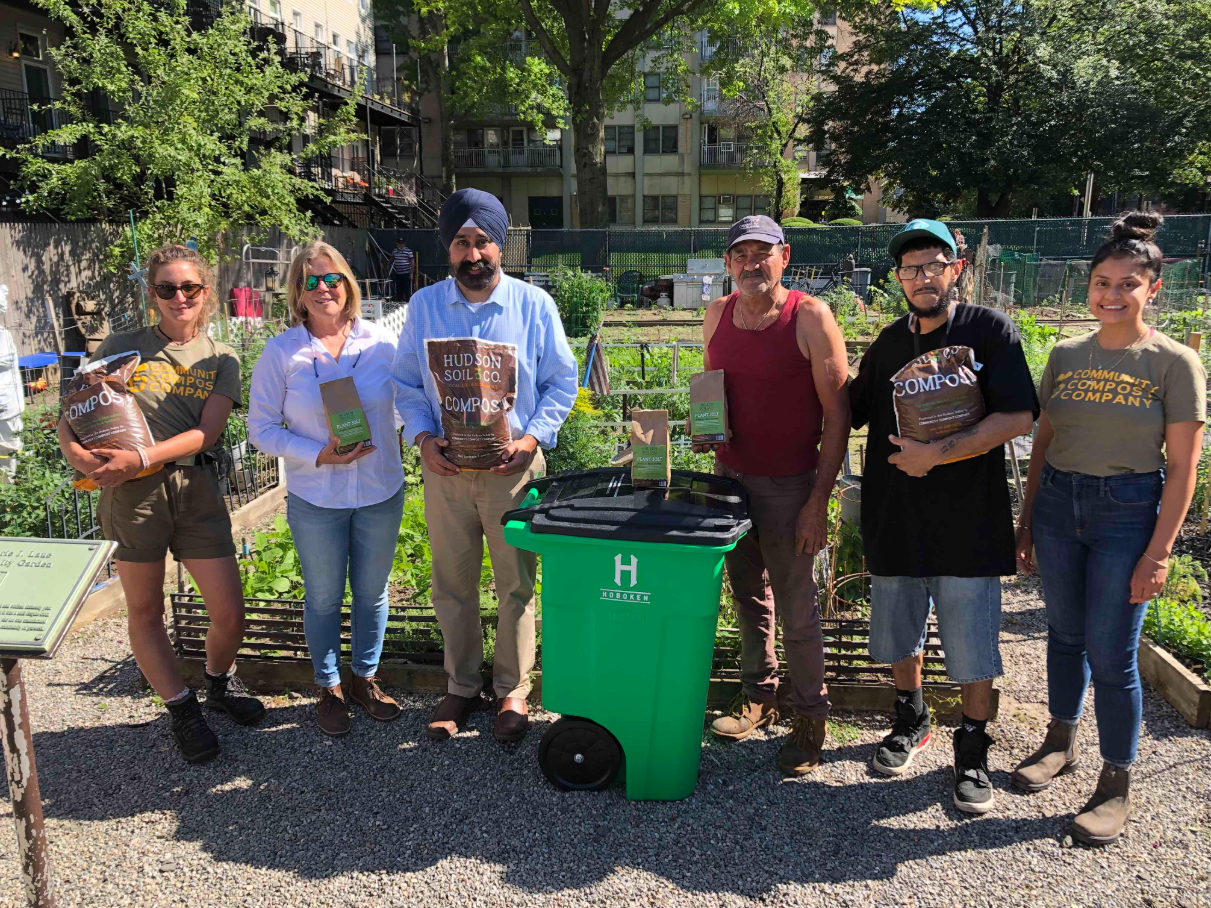
Mayor Bhalla and Community Compost Co. team members highlighting bags of compost. Credit: Community Compost Co.
Small Pilot Grows to Drop-Off Network and Curbside Subscription Services (Hoboken, New Jersey)
Originally the only game in town when it came to food scraps collection, Community Compost Co. has played a critical role in establishing Hoboken’s residential compost collection program. They have been instrumental in supporting the City’s organics recycling efforts to improve fiscal and environmental sustainability. Reflecting on their PPP, Hoboken’s Chief Sustainability Officer Jennifer Gonzalez notes that “partnerships are essential for innovation in municipal operations.”
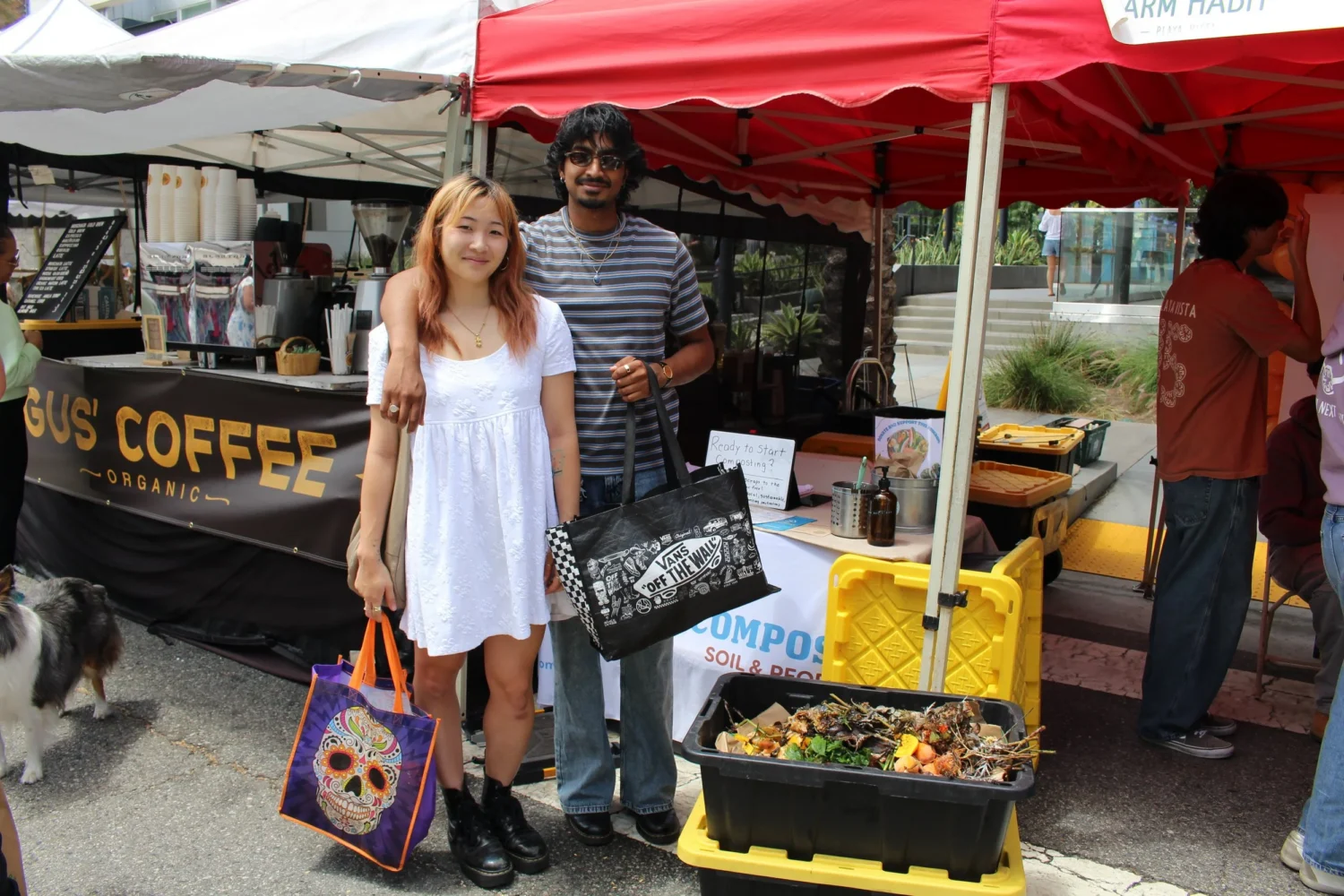
Vista Farmers’ Market drop-off. Credit: LA Compost
City Taps Community Composter Network and Infrastructure (Los Angeles, California)
LA Compost’s established presence in many neighborhoods in the City of Los Angeles (and elsewhere in Los Angeles County) combined with its robust outreach and education initiatives, made the community composter an obvious partner in the City’s vision to expand food scraps drop-off and processing. Fast forward five years, their collaboration now supports 26 food scraps reduction and composting locations at farmers’ markets and parks across Los Angeles.
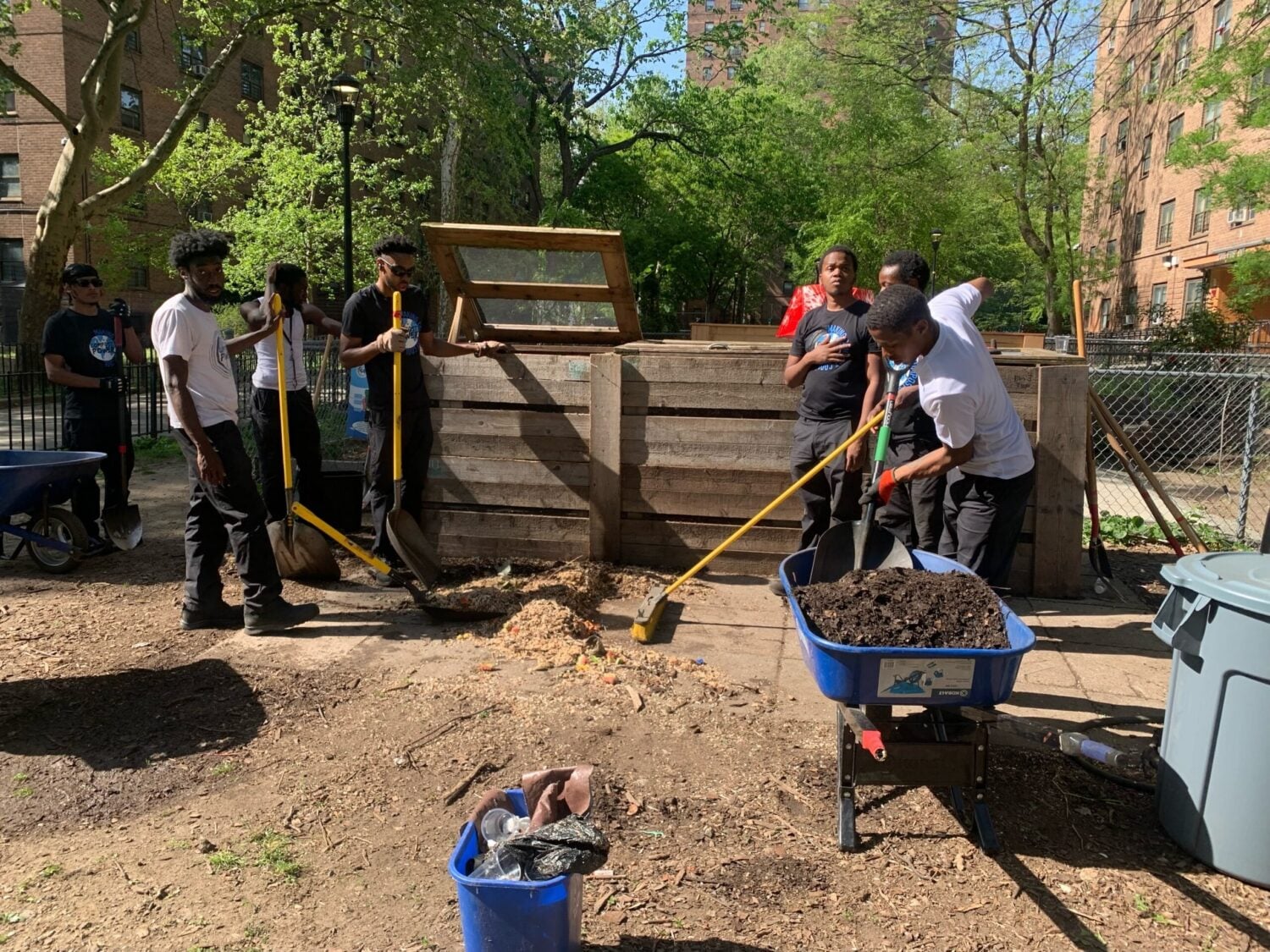
Crew engaging in composting process. Credit: Compost Power
Public Housing Project Creates Jobs, Supports Gardens, and Reduces Rat Problems (New York City, New York)
With over 350,000 residents living in over 2,000 buildings across the five boroughs, the goals of New York City Housing Authority (NYCHA)’s 2021 Sustainability Agenda felt like a tall order. Facing around 600 tons of waste generated across its campuses per day – of which an estimated 200 tons are organics – it was their PPP with Green City Force (GCF) and Compost Power that allowed them to make their vision of circularity a reality, increasing residents’ access to organics collection and improving gardens and soils with generated compost.
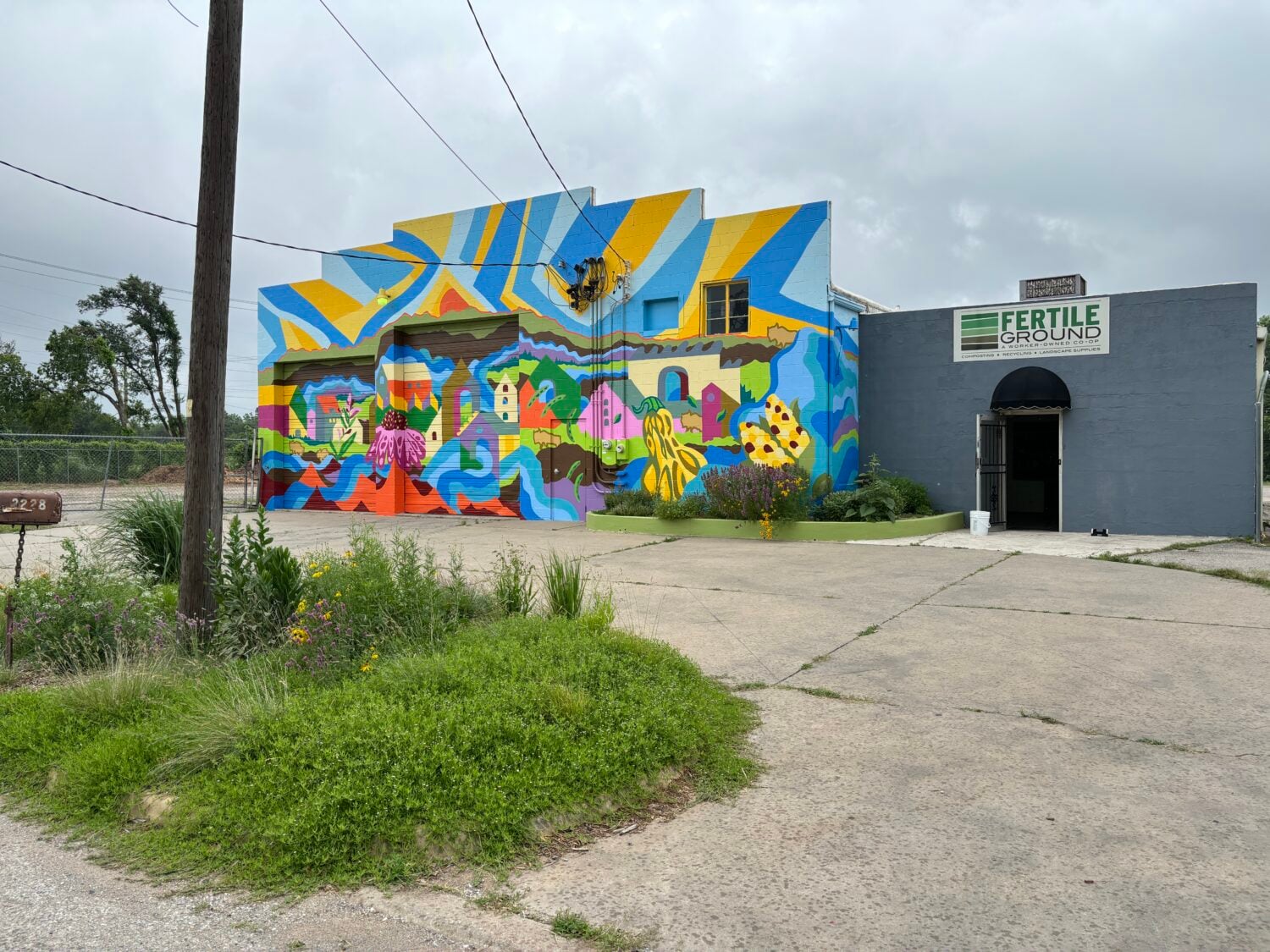
The City of Norman is on a mission to divert food scraps from the landfill, both as a way to achieve its climate goals and to save on trash hauling and landfill tipping fees in the future. As they work to expand food scraps collection and composting, they’ve contracted with local composter Fertile Ground Cooperative to collect and process food scraps and apply finished compost across the city.
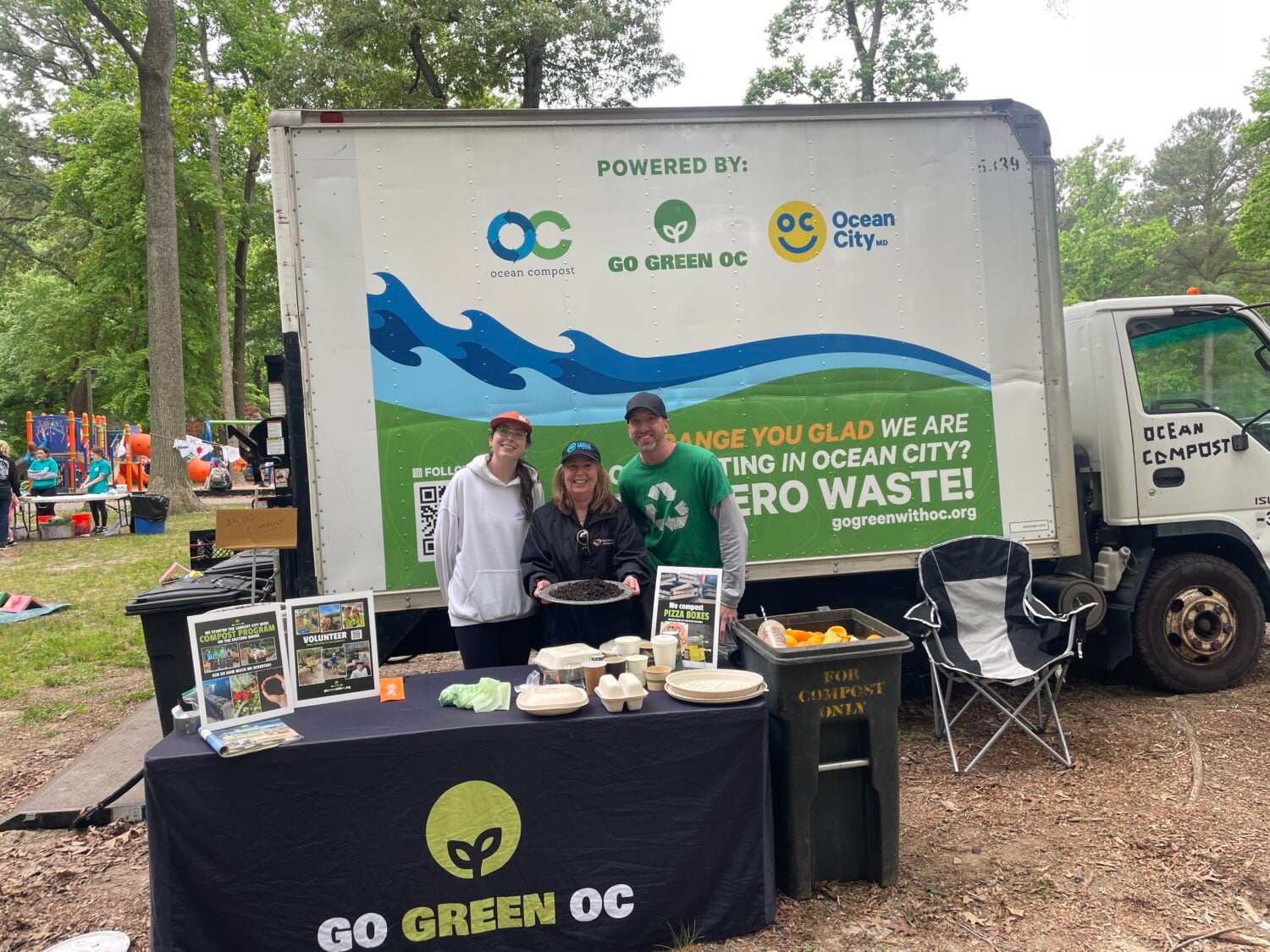
Go Green OC team tabling in front of their box truck. Credit: Go Green OC
Avoided Disposal Costs Help Cover Expenses (Ocean City, Maryland)
In this case study, Ocean Compost LLC, Go Green OC, and the Town of Ocean City are piloting the collection of food scraps from several restaurants and composting them at a nearby farm. In exchange for their work, the Town pays Ocean Compost the same per-ton fee it typically would pay to tip its waste at the Reworld incinerator in Pennsylvania – serving as a useful model of how jurisdictions can move away from disposal and incineration and towards diversion for the same cost.
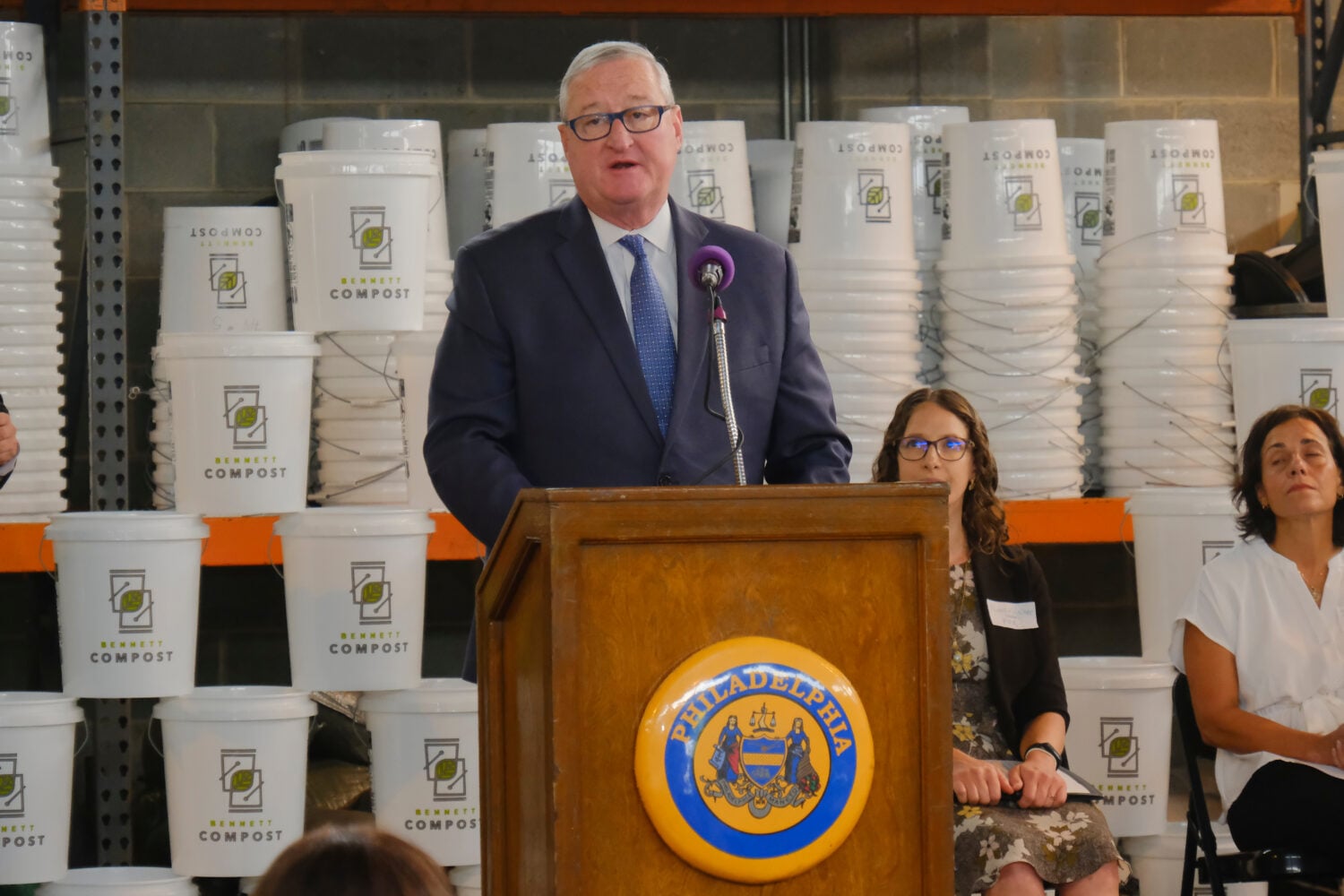
Former Mayor of Philadelphia, Jim Kenney, at Bennett Compost’s ribbon cutting ceremony. Credit: Julian Moore-Griffin, Philadelphia Parks and Recreation
City Parks & Rec Barters Land Access for Services / Dept. of Prisons Spurs Job Training (Philadelphia, Pennsylvania)
In true powerhouse fashion, Bennett Compost maintains model PPPs with two distinct Philadelphia departments: the City of Philadelphia Parks and Recreation Department (Parks & Rec) and the Philadelphia Department of Prisons (PDP). In the former agreement, Bennett Compost is permitted to locate its composting operation at a Parks & Rec maintenance facility in exchange for collecting and composting food scraps from Parks & Rec youth programs and older adult centers. In their latter contract with PDP, they not only collect and compost food scraps from the PDP prison complex, but also staff and manage the complex’s orchard and greenhouse operations and related vocational training programs.
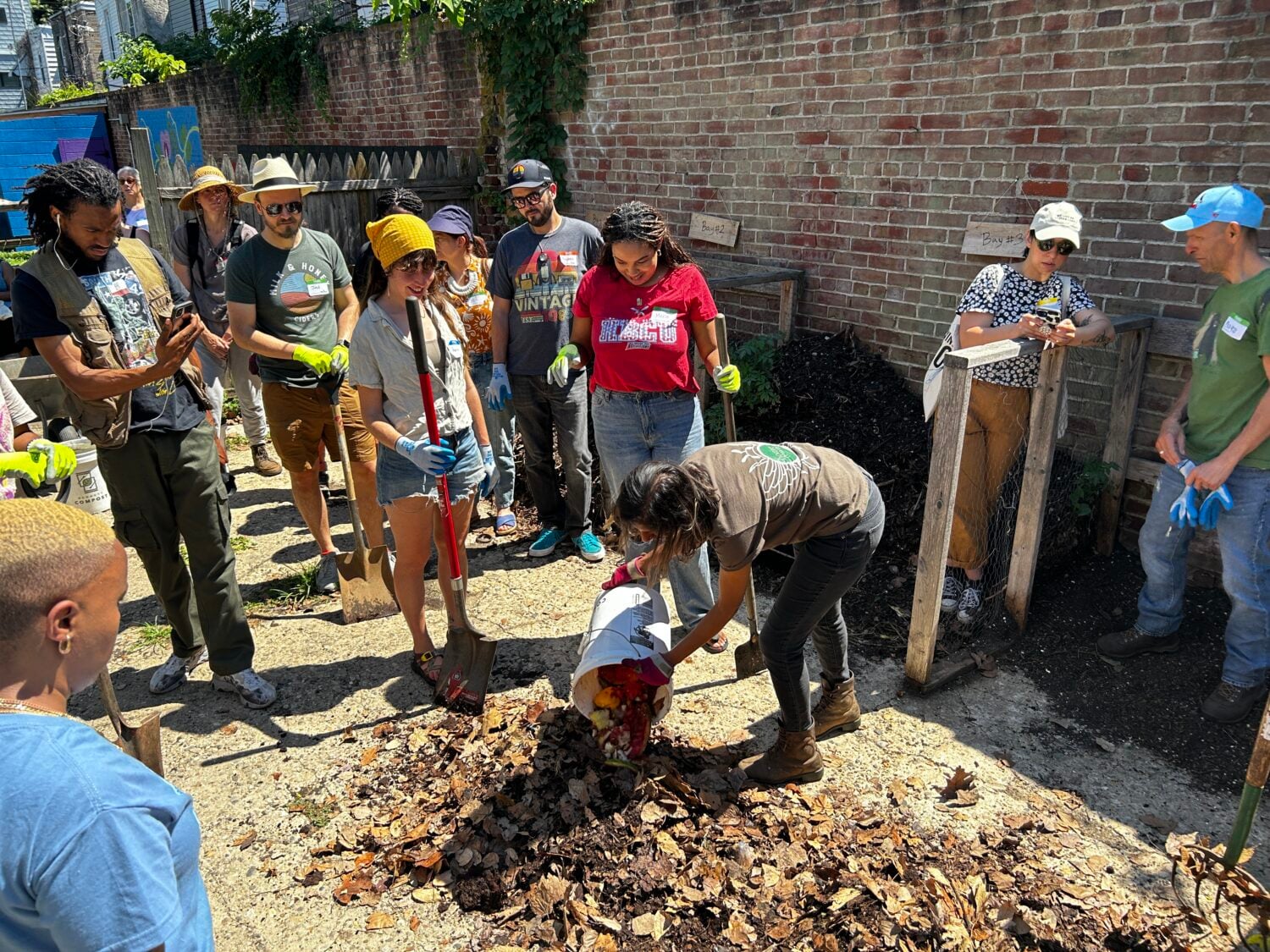
Volunteers dumping and mixing organic materials. Credit: Philadelphia Parks and Recreation
Volunteer Network Expands Access to Composting and Community Engagement (Philadelphia, Pennsylvania )
Under its Farm Philly program, the City of Philadelphia launched its Community Compost Network (CCN) as a partnership between the City’s Office of Sustainability and Department of Parks and Recreation. The CCN currently consists of 20 sites across Philadelphia – a mix of community gardens, farms, and schools – where residents are invited to compost their food scraps and yard trimmings.
Cutting City Disposal Costs with Local Food Scrap Recyclers (Providence, Rhode Island)
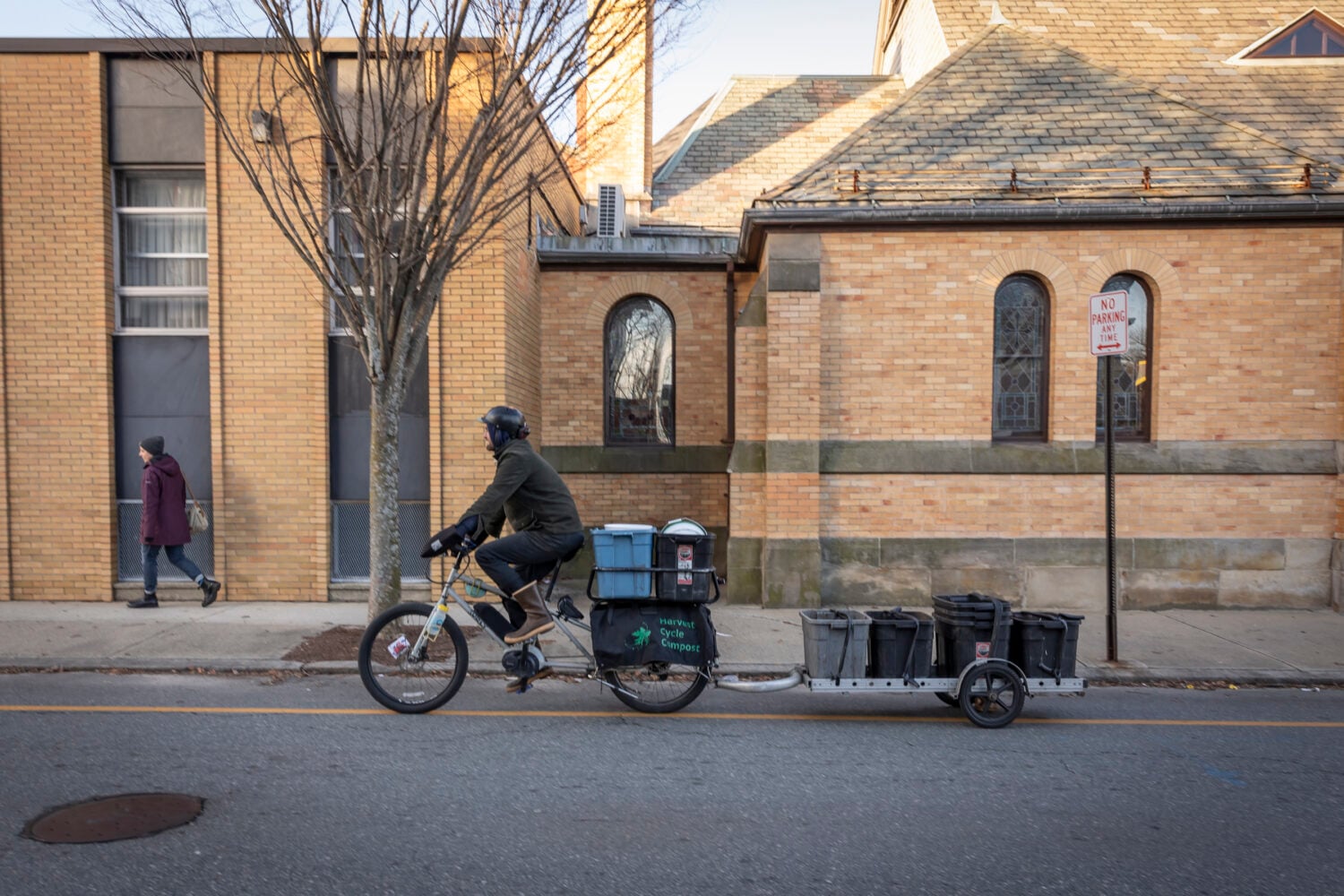
The City of Providence relies on two federal grants to support the creation of infrastructure for food scraps collection and composting. In both cases, the City has subcontracted with existing food scraps service providers in Providence, including Harvest Cycle (an initiative of Groundwork RI) and The Community Compost Depot. The City also works with other subcontractors, including the Center for EcoTechnology (CET), to provide technical assistance for food scraps diversion to businesses and institutions in the city and Remix Organics to expand local capacity for commercial food scraps hauling.
Volunteers from Father Fred Foundation in partnership with SEEDS staff on the SEEDS Farm to spread finished compost for growing produce. Credit: SEEDS
Testing Small On-Site Food Scraps Composting (Traverse City, Michigan)
Through a USDA Composting and Food Waste Reduction grant, the City of Traverse City is piloting a small on-site food scraps composting system on City property. The City contracts with Carter’s Compost to offer food scraps collection in exchange for bringing collected food scraps to the City’s site. It also maintains another contract with SEEDS Ecology & Education Centers to support project management and reporting, perform quarterly maintenance of the composting unit, and cure and distribute the compost produced in the in-vessel system.
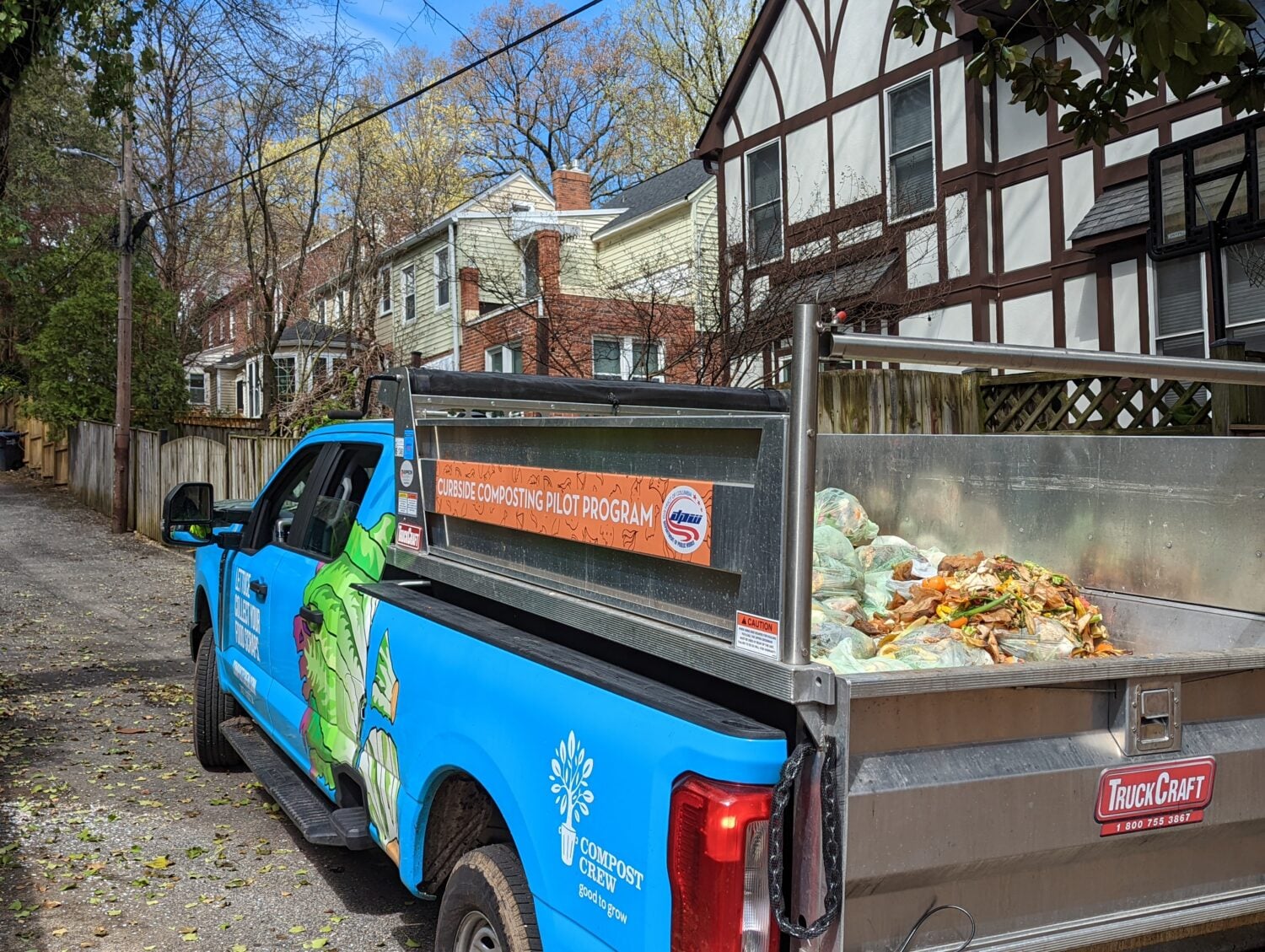
Co-branded truck for pilot curbside collections program. Credit: DC Department of Public Works
From Farmers’ Markets to Curbside Collection (Washington, DC)
The District of Columbia’s Department of Public Works (DC DPW) has public-private partnerships with two Washington, D.C. area community composters: Compost Crew and Agricity (doing business as Compost Cab). While DC DPW’s contract with Compost Crew prioritized turning a more “traditional” residential curbside pilot into an established food scraps collection program, its agreement with Compost Cab processes food scraps dropped off using new “smart bin” technology and at regular events.
Volunteers sifting finished compost on volunteer day. Credit: Institute for Local Self-Reliance
City Parks & Rec Fosters Volunteer Composting Network (Washington, DC)
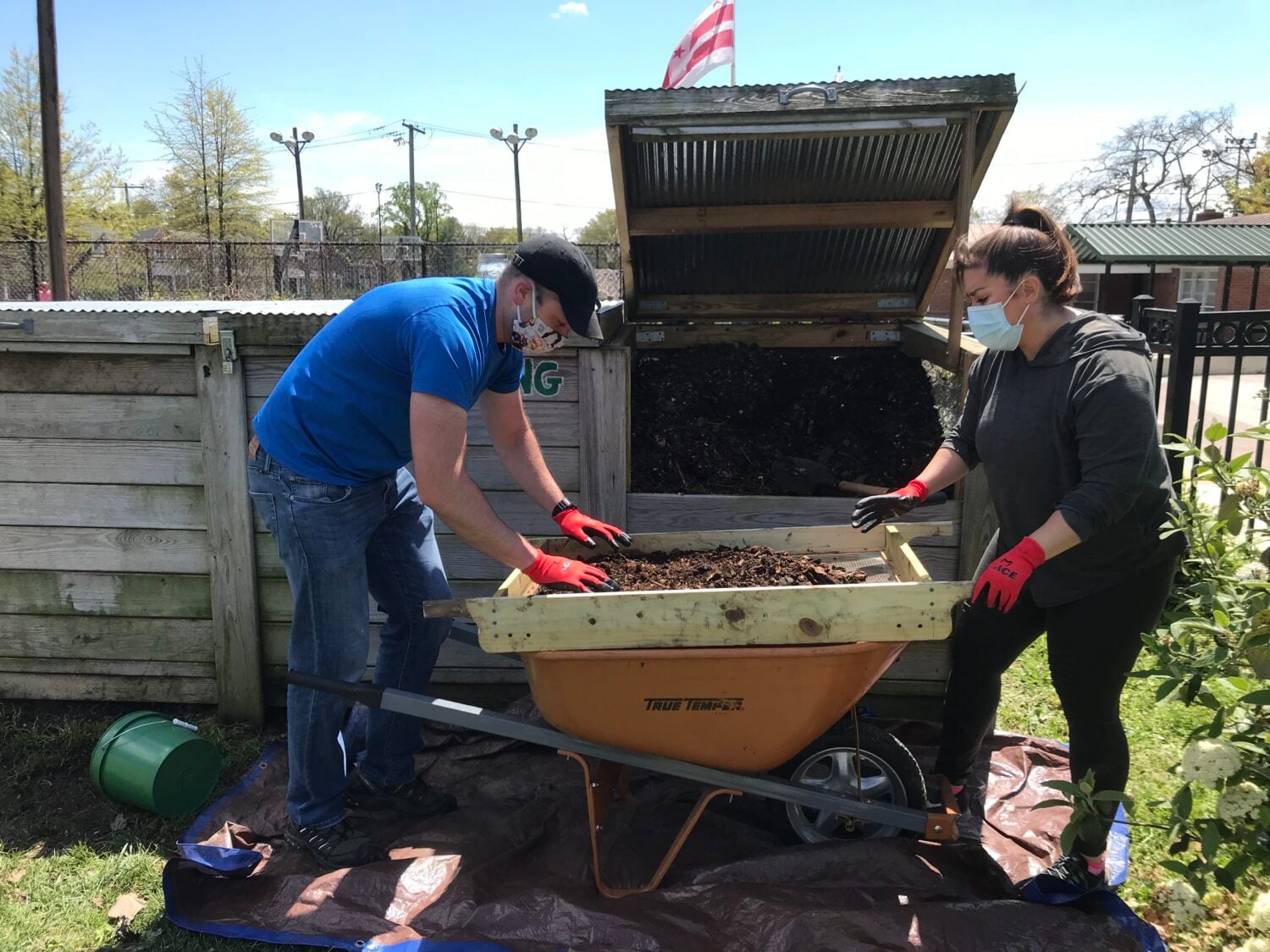
Now entering its 13th year of operation, the DC Department of Parks and Recreation’s Community Compost Cooperative Network (CCCN) serves as an impressive model for volunteer engagement and community buy-in for composting programs. The CCCN encompasses 56 sites across District of Columbia’s eight wards, including 36 gardens, six schools, one national park, and 13 partner gardens.
Keep Compost Local: A Roadmap for Local Governments to Build Community Prosperity with Composting
A report providing guidance for municipalities to support and partner with local composting initiatives, meeting their composting targets while fostering myriad economic and cross-sectoral benefits.
Diverse, Impactful, Growing, Resilient: 2024 Community Composter Mini-Census Findings
A snapshot of the operations, diversion, community impacts, finances, government partnerships, and contamination rates of this distinct and often underrepresented slice of the composting sector.
Government Support for Community Composting Webinar Series
Are you a local government interested in reducing and recycling wasted food and curious to learn how you can help spur community-scale composting? Or perhaps...