For more than a decade, we’ve been producing groundbreaking research on Amazon’s monopoly power and calling for it to be broken up.
It's Time for Teachers to Break Up with Amazon
It’s no surprise that tens of thousands of teachers post online wish lists for their classrooms, asking parents and other community members to help them out. But every time teachers post a classroom wish list on Amazon, they’re essentially voting against their next pay raise.
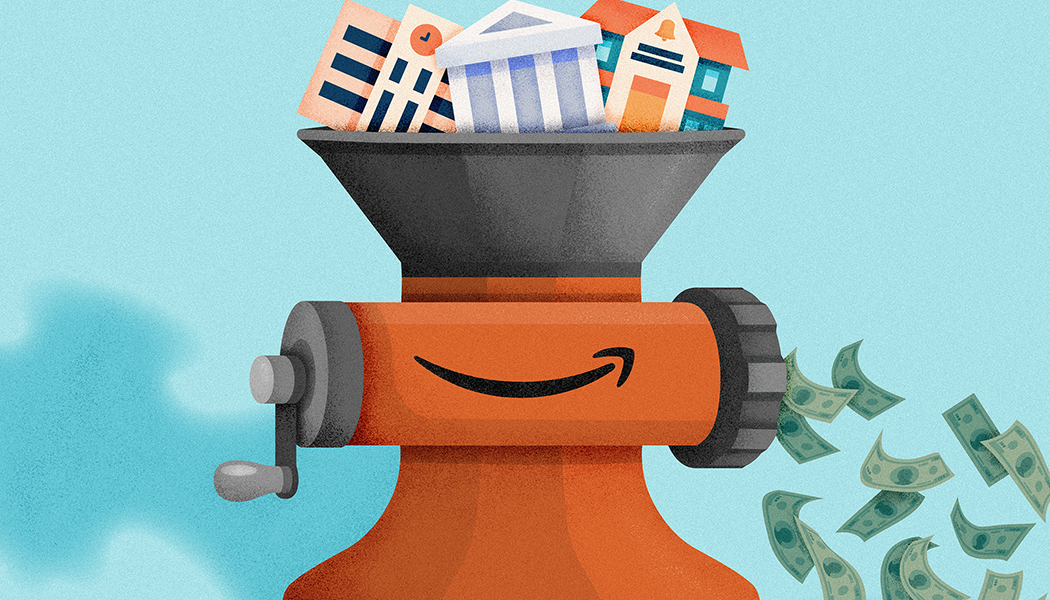
ILSR’s new report reveals that Amazon has quietly become a major force in how cities, counties, and school districts purchase basic supplies — and that its tightening grip is driving up costs, eroding competition, and harming local economies.
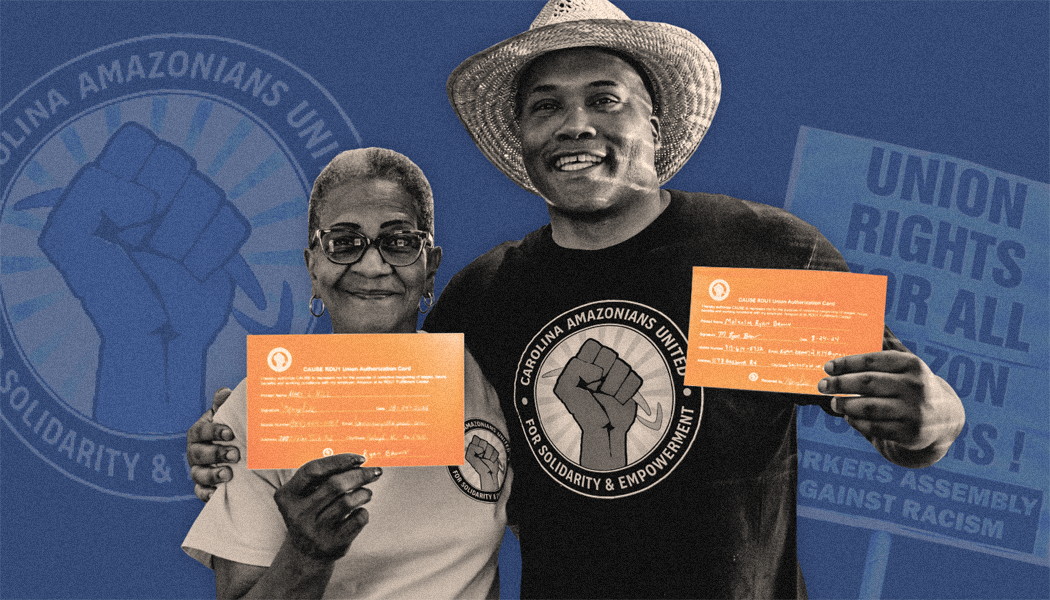
Our Building Local Power podcast hosts a conversation with Reverend Ryan Brown and Adam Stromme, two organizers with Amazon CAUSE who are working on unionizing Amazon’s SDU1 warehouse outside of Raleigh. Our conversation touches on the danger warehouse workers face, the challenges of organizing at Amazon in the South, and the way Amazon exploits systemic racism to impede worker organizing.
ILSR's virtual event spotlights how pricing algorithms deployed by powerful corporations are inflating prices, undermining competition, and threatening independent businesses and communities.
The Federal Antitrust Case Against Amazon: An Explainer
The Federal Trade Commission (FTC) has filed suit against Amazon for monopolizing e-commerce in violation of U.S. antitrust laws. This explainer looks at why the...
How Amazon uses its monopoly power to extract extreme and rapidly growing fees from businesses on their site that have little choice to reach customers.
Issue Brief: How Amazon Exploits and Undermines Small Businesses, and Why Breaking It Up Would Revive American Entrepreneurship
Amazon claims that it has “a mutually beneficial relationship” with the small businesses that depend on its platform. This fact sheet tells the real story.