Despite being under legal scrutiny, Amazon’s monopoly and its abuse of sellers and shoppers are only getting worse. Its dominance is structural and self-reinforcing, and behavioral restrictions alone are unlikely to restore competition.
Three years ago, the U.S. Federal Trade Commission and 17 state Attorneys General sued Amazon, alleging that the company’s monopoly power eliminated competition and harmed consumers. It’s no exaggeration to say that the outcome of this case will determine the future of commerce in the United States. It will decide whether online markets remain dominated by a single gatekeeper or become open, competitive arenas in which independent businesses can innovate and thrive.
Rather than rein in its anticompetitive behavior, Amazon has doubled down. Since the FTC and states filed their complaint, Amazon’s monopoly has intensified: the company has deployed new anticompetitive tactics, extended its dominance into new markets, and doubled down on the behaviors outlined in the lawsuit. Our memo — to the state Attorneys General signed onto the lawsuit, as well as Federal Trade Commission Chairman Andrew Ferguson and Commissioner Mark Meador — documents major developments since the FTC filed suit. Together, they underscore both the urgency of this case for American businesses and consumers and the need for remedies that address the root sources of Amazon’s monopoly power.
Amazon undercuts competition through its anti-discounting and price control tactics. By punishing third-party sellers who sell products for less on any website outside of Amazon.com, including the sellers’ own sites, Amazon is raising prices across the web and undercutting competing online marketplaces.
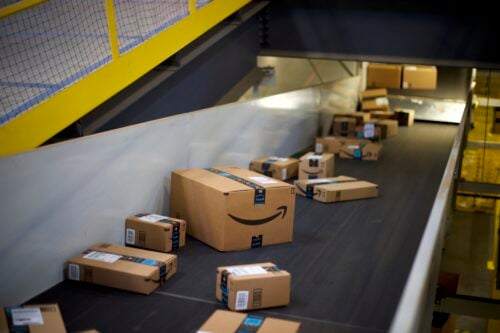
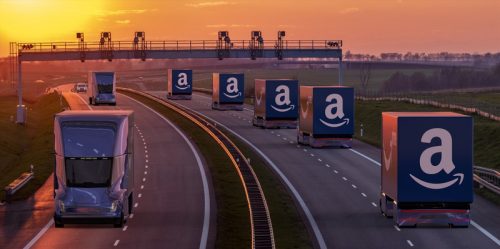
Amazon is using its logistics to entrench its control over e-commerce. Through several tactics, Amazon is escalating its push to make its fulfillment service the only viable option for online sellers anywhere.
With its growing monopoly, Amazon can extract more revenue from captive businesses. Its fees for fulfillment, advertising, referral, etc. now average 47 percent of every third-party sale, up from 41 percent in 2022.
Amazon is extending its gatekeeping power beyond the scope of the lawsuit. The new program “Buy for Me” — a component of its recently launched“Project Starfish” — captures and sells products without the maker’s consent.
The harms of Amazon’s monopoly extend to shoppers and independent businesses. With no real competition pushing it to be better, Amazon has fostered an increasingly worse and more expensive shopping experience, from fake reviews to a bombardment of irrelevant ads to higher prices under false pretenses. It has squeezed every penny it can from sellers and degraded competition both on and off the platform.
All of this evidence combined shows that Amazon’s monopoly power is structural and self-reinforcing, meaning behavioral restrictions alone are unlikely to restore competition. The developments of the past three years demand that the FTC and accompanying states see this case through and seek structural remedies for the structural power Amazon has amassed through its monopoly.
For a detailed account of how Amazon has expanded its anticompetitive tactics, in the process harming consumers and retailers alike, download the full memo. For further exploration of Amazon’s anticompetitive tactics, read our lawsuit explainer and our report on Amazon’s exorbitant seller fees.
“The developments of the past three years demand that the FTC and accompanying states see this case through and seek structural remedies for the structural power Amazon has amassed through its monopoly.”
The Federal Antitrust Case Against Amazon: An Explainer
The Federal Trade Commission (FTC) has filed suit against Amazon for monopolizing e-commerce in violation of U.S. antitrust laws. This explainer looks at why the...
How Amazon uses its monopoly power to extract extreme and rapidly growing fees from businesses on their site that have little choice to reach customers.
How Amazon Exploits and Undermines Small Businesses, and Why Breaking It Up Would Revive American Entrepreneurship
Amazon claims that it has “a mutually beneficial relationship” with the small businesses that depend on its platform. This fact sheet tells the real story.