Welcome to ILSR's complete library of resources and publications. Use the filtering tools below to find just the content you're seeking, or subscribe to the RSS feed here.
The FCC on Trial: Defense of Free Speech and the Future of Media Regulation – Episode 27 of Unbuffered
Are broadcast license threats being weaponized to silence free speech? Chris, Gigi Sohn, and Berin Szóka unpack Disney’s landmark lawsuit against the FCC.
The FWA Reality Check and the BEAD Final Numbers – Episode 25 of Unbuffered
Chris and Doug Dawson break down new Ookla FWA data, critique the FCC’s flawed mapping challenges, examine the final BEAD funding numbers, and tackle the...
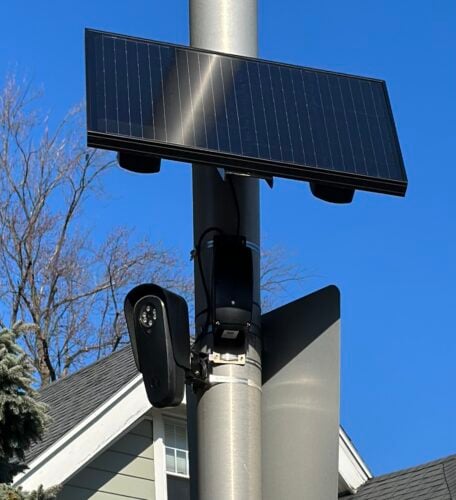
Are Flock safety cameras keeping communities safe, or just building a private dragnet for mass surveillance? Chris sits down with independent reporter Daniel Boguslaw to...
More Than the Sum of the Parts – Episode 7 of Unbuffered
A conversation about AI policy, emergent systems, distributed knowledge, and why the things that are easiest to measure “might not be the right things to...
In The Forge: ILSR Superteam Talks Local Power and Fighting Corporate Control
Three ILSR staffers talked to Liberation in a Generation and The Forge about the many dimensions of fighting corporate power — and building local power.
In Washington Monthly: Amazon’s AI Algorithms are Raising Prices
Online price swings may look like fierce competition. In reality, they’re part of an invisible strategy Amazon uses to maintain its dominance of e-commerce and...