Welcome to ILSR's complete library of resources and publications. Use the filtering tools below to find just the content you're seeking, or subscribe to the RSS feed here.
Albuquerque, New Mexico – Updated Zoning to Encourage Community Composting
On January 28, 2026, the City of Albuquerque, New Mexico, unanimously passed the land use, planning, and zoning Integrated Development Ordinance (IDO) O-26-2, which updated...
Reducing Contamination at Community Composting Sites
ILSR’s Reducing Contamination at Community Composting Sites is a virtual course for community composters looking to create the highest-quality compost from collected food scraps.
In the Midwest, Ohio’s composting regulations (OAC Chapter 3745-560) are a great model for the region and other parts of the country. Officials have designed...
Wisconsin revised its composting regulations in the early 2010s; the new rules came into effect June 1, 2012. To ensure the quality of finished compost and...
Ohio’s composting regulations are a great model for the region and other parts of the country. Officials have designed rules to suit various land uses...
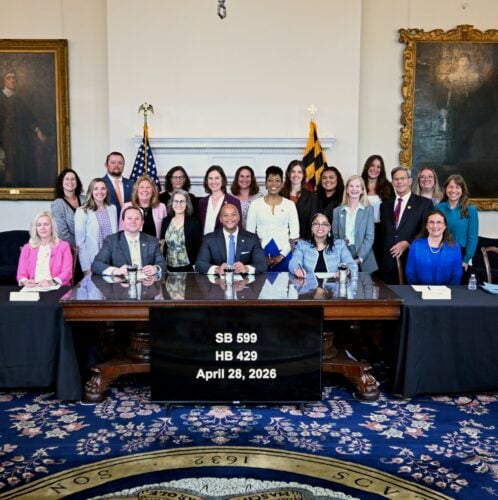
ILSR Advocacy Establishes Maryland’s First Organics Diversion Grant Program
A new Maryland law establishes a $250,000 annual grant program for on-farm organics recycling and compost use, wasted food prevention, and food rescue.
Iowa banned the landfill disposal of yard waste in 1991, and instituted regulations to broadly encourage composting, including on-farm, small-scale food scrap composting. The state’s rules...
In 2022, Washington State passed House Bill 1799, which updated several provisions related to organic materials disposal and management. The bill also addresses compost purchasing,...
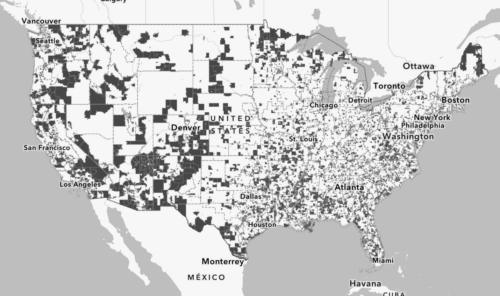
To demonstrate how corporate concentration has reshaped food access in the U.S., ILSR's interactive map shows food deserts alongside the location of grocery stores.